10 Tourist Mistakes in Madagascar (We See Every Week)
After running hundreds of organized tours across the island, we've come to see the same mistakes over and over — often made by otherwise well-prepared travelers. Good news: every one of them is avoidable. Here's our top 10, no sugarcoating.

Why these mistakes keep coming back every week
Madagascar isn't Mauritius or Thailand: infrastructure is different, distances are deceptive on a map, and the internet hasn't quite caught up with real-world travel times yet. Most travelers arrive with a plan modeled on other tropical destinations — and discover on the ground that the Great Island runs on its own rhythm. Nothing dramatic, as long as you know it before packing your bags.
The 10 mistakes (and how to avoid them)
1. 🗺️ Underestimating distances
On a map, Nosy Be and Sainte-Marie look "right next to each other." In reality, they're over 1,000 km apart, with no direct flight, and Antananarivo as a mandatory stopover. Madagascar is nearly twice the size of France: a "North + South + East" itinerary in one week simply doesn't exist.
2. ⏱️ Booking a trip too short for the dream itinerary
Wanting to see the baobabs of Morondava, the lemurs of Andasibe and the beaches of Nosy Be in 6 days is like wanting to visit Paris, Rome and Berlin in one weekend. Each region needs at least 3 to 4 days on the ground, transport included — it's better to pick 2 regions and enjoy them fully than to chase 4 and see none of them properly.
3. 📶 Counting on GPS and 4G everywhere
Mobile network covers cities and main roads well, much less so bush tracks and national parks. A route calculated by an app before departure can give a completely unrealistic travel time once you're on a laterite road after rain.
- Tip: download offline maps before you leave, and trust the travel time given by your driver-guide over the one given by the app.
4. 🎒 Trying to see everything in one trip
Probably mistake number one. Madagascar is meant to be savored region by region, not as a single block. We often see "homemade" itineraries that chain together 6 destinations in 10 days, with more time spent in transit than actually enjoying the places. A good itinerary leaves room to breathe.
5. 🦟 Underestimating malaria
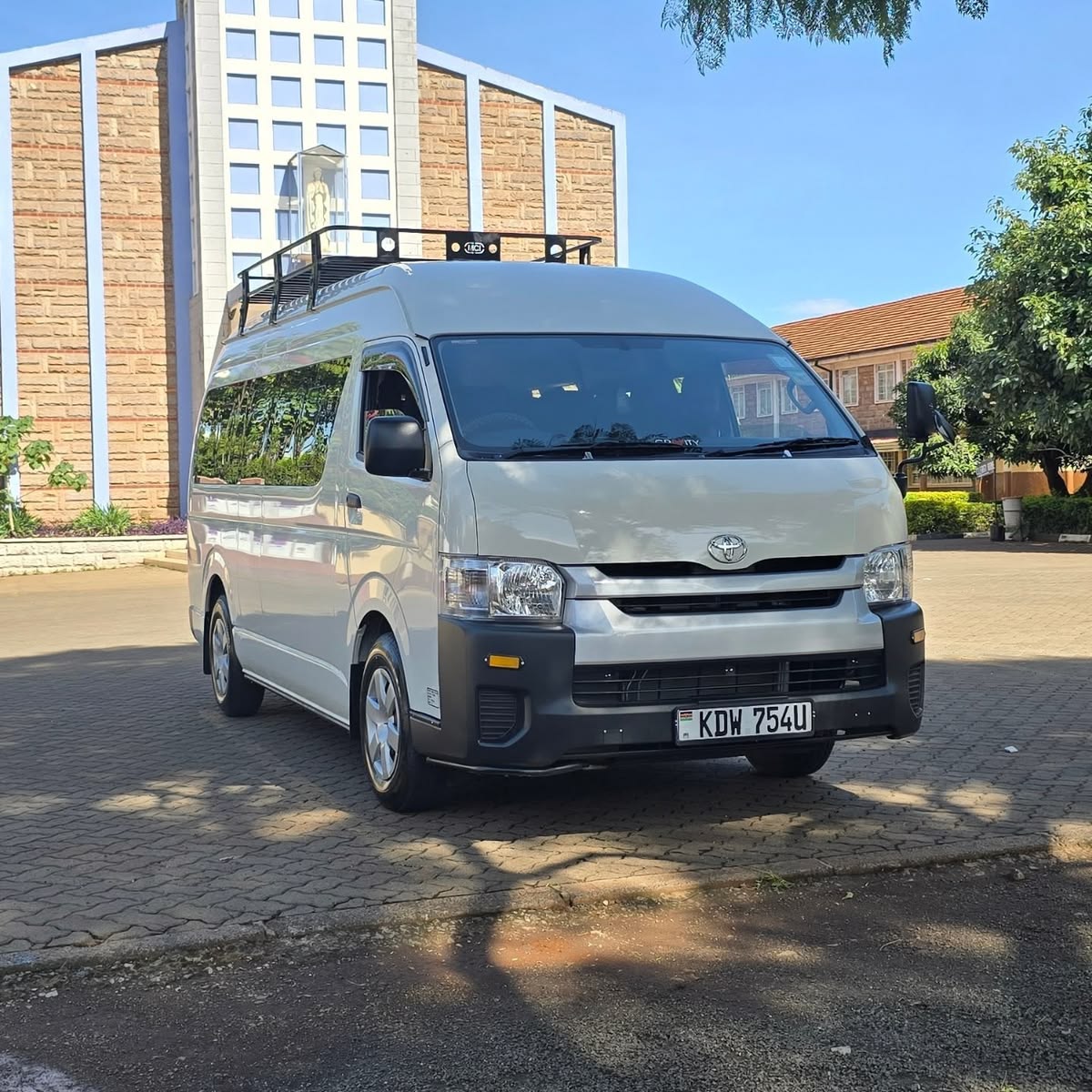
Many travelers assume malaria is "only an issue on the African mainland" and arrive with no preventive treatment or effective repellent. The risk is very real in Madagascar, especially along the coast and during the rainy season. A doctor's appointment before departure settles the question in 20 minutes.
6. 💶 Underestimating how important cash is
ATMs are scarce outside major cities, and many small shops, local guides or markets don't take cards. Traveling with only a card and the hope of finding a working ATM at every stop is the best way to end up stuck on a Sunday in a town with no working machine.
- Tip: carry cash in ariary for day-to-day spending, withdrawn in major cities (Antananarivo, Nosy Be) as early as possible.
7. 👕 Ignoring local customs and "fady"
"Fady" (local taboo) varies from village to village: some sites are sacred, and certain clothing or behavior can be perceived as disrespectful there. Very short shorts near a royal tomb, or a photo taken without asking near a place of worship, can create an entirely avoidable awkward moment. A local guide helps you avoid that kind of faux pas in two seconds.
8. 🍽️ Being suspicious of local food on principle
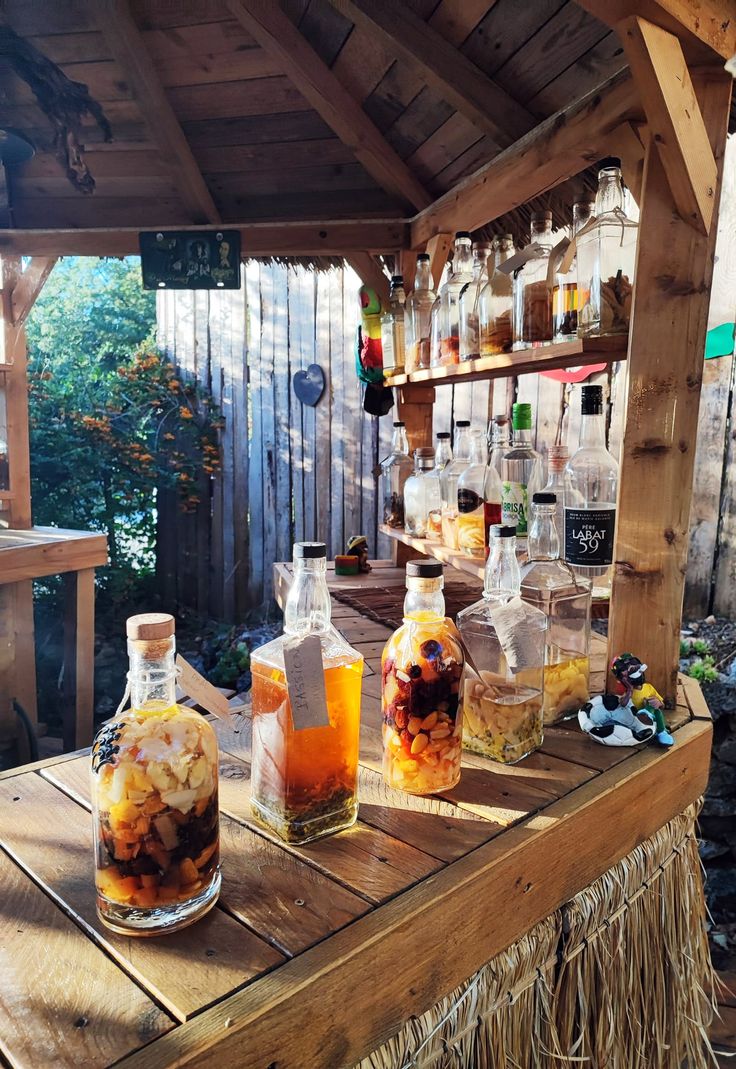
Many travelers stick to pizza and "safe" dishes out of caution, and completely miss out on romazava, ravitoto or a good homemade rhum arrangé — prepared under the same hygiene standards as everything else. A bit of common sense (favoring well-cooked dishes, bottled water) is more than enough.
9. 🛍️ Bargaining too aggressively
Bargaining is part of local culture, but haggling hard to save the equivalent of a few cents on a handicraft item can quickly become awkward for everyone involved. Friendly, reasonable bargaining is still the best way to walk away with a souvenir — and a good memory of the exchange.
10. 🚗 Venturing into remote areas alone, without a guide
Some national parks legally require a licensed guide, and for the others, skipping one often means missing half of what's there to see (a lemur hidden in the branches doesn't spot itself). A local driver-guide is also extra safety on roads that can be unpredictable, and direct support for the local economy.
What to remember before you go
None of these mistakes are dramatic on their own — but stacked together, they can turn a dream trip into a frustrating race against the clock. The best protection remains the same as ever: a realistic itinerary, a bit of medical and administrative preparation, and local support that knows the terrain better than any app ever will.
Frequently asked questions
Is Madagascar a safe country for tourists?
Yes, overall Madagascar is a safe destination for travelers who take the usual precautions (avoid displaying valuables, avoid walking alone at night in big cities, travel with a driver or local guide outside touristy areas). Most reported incidents are opportunistic theft rather than assault, and local support further reduces that risk.
Do I need vaccinations before traveling to Madagascar?
No vaccine is officially mandatory to enter Madagascar coming from Europe (except yellow fever if transiting through an at-risk country), but up-to-date routine vaccinations and antimalarial treatment are strongly recommended. See a travel health clinic 4 to 6 weeks before departure for personalized advice.
Is malaria a real risk in Madagascar?
Yes, malaria is present across much of the island, especially in coastal areas and during the rainy season (November to April). A preventive treatment prescribed by a doctor, combined with effective repellent and covering clothing in the evening, significantly reduces the risk.
Can you travel without a guide in Madagascar?
It's possible in very touristy areas, but strongly discouraged as soon as you go off the beaten path: distances are deceptive, secondary roads are poorly marked, network coverage is limited, and many national parks legally require a licensed local guide. A driver-guide also saves you valuable time and directly benefits the local economy.
← Back to Madagascar destinations