Is Madagascar Safe to Visit? An Honest Answer
Every destination on Earth gets this question, and Madagascar gets it more than most, probably because half of what people know about the country comes from an animated movie featuring talking animals. So let's set the record straight, without the sugar-coating brochures use and without the doom-scrolling that a five-minute search on the internet can trigger.
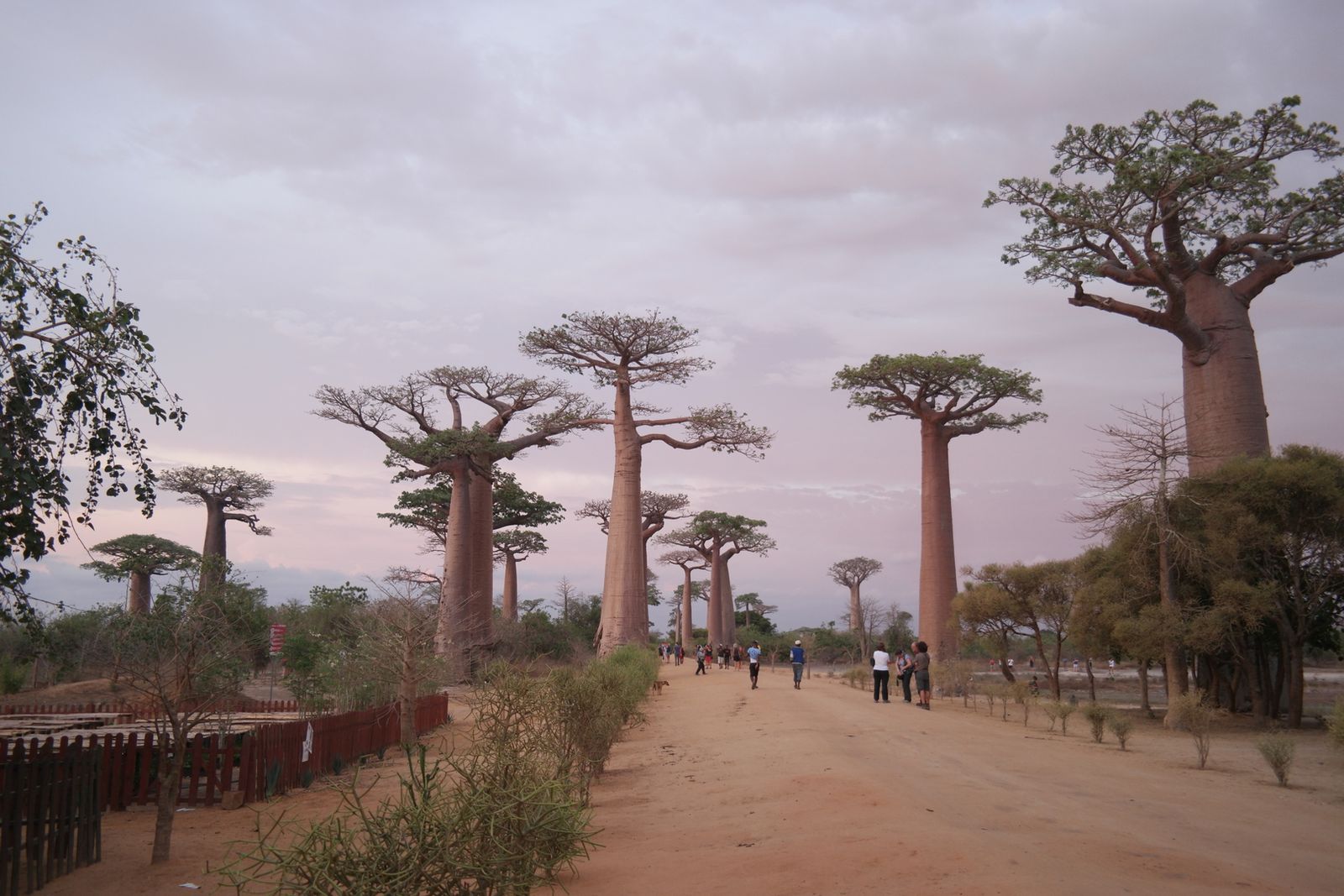
The short answer
Yes, Madagascar is safe to visit for the vast majority of travelers who take the same basic precautions they'd take in any unfamiliar country. The real risks here aren't the ones people usually imagine (wild animals, remote jungle, "exotic disease" panic) — they're the boring, practical ones: pickpocketing in crowded markets, rough roads, and weather. Manage those three, and you've covered 90% of it.
Crime: what's real, what's overblown
Like most countries with significant income inequality, Madagascar has petty theft, concentrated mainly in crowded urban areas like markets, bus stations, and busy streets in Antananarivo. Violent crime targeting tourists specifically is uncommon, but not unheard of, particularly after dark in cities.
- Keep valuables out of sight: a visible phone or camera in a crowded market is an invitation, not a threat.
- Use a money belt or hidden pouch for your passport and cash rather than an obvious bag.
- Avoid walking alone at night in cities, especially Antananarivo — use a hotel taxi or a driver you already know.
- Outside cities, in rural and tourist areas, incidents targeting travelers are considerably rarer — this isn't a country where danger lurks around every corner once you're off the main urban streets.
Road safety
Honestly, this is the category that deserves the most respect. Madagascar's roads range from decent tarmac to memorable dirt tracks that double as riverbeds in the rainy season. This isn't a country for self-driving unless you're an experienced off-road driver who genuinely knows the terrain.
- Use a private driver or organized transport rather than public taxi-brousse (shared minibus) for longer distances if comfort and safety matter to you — it costs more, but it's a different experience entirely.
- Avoid night driving outside cities: poor lighting, unmarked hazards, and unpredictable pedestrians and livestock on the road.
- Respect the dry-season-only rule for remote west-coast roads (Tsingy, some Morondava routes) — this isn't a suggestion, it's physics.
Health & water
This section is general information, not medical advice — talk to your doctor or a travel health clinic before departure.
- Don't drink tap water. Stick to bottled or filtered water, including for brushing teeth in remote areas.
- Malaria prevention is commonly discussed with a doctor depending on which regions you're visiting and the season.
- Travel insurance with medical evacuation coverage is strongly recommended — hospitals capable of handling serious emergencies are concentrated in a few cities, and Madagascar is a large island.
- Sun and heat cause more trouble for travelers day-to-day than anything exotic — a hat and water go a long way.
Wildlife: the good news
Here's the part where Madagascar quietly wins against most tropical destinations: there is nothing here that wants to eat you. No lions, no elephants that can flip a vehicle, no crocodile-infested rivers you need to worry about on a standard itinerary. The island's isolation that gave us lemurs also meant no large predators evolved to compete with them. The biggest predator, the fossa, is roughly the size of a large dog and has zero interest in humans.
The wildlife risks that do exist are minor and manageable: mosquito-borne illness (covered under health above), and the occasional overenthusiastic reptile if you go looking for one — which, if you're the type who goes looking for reptiles, you already know the drill.
Money & scams
- Agree on prices before the ride/service, especially for informal taxis and market purchases where prices aren't fixed.
- Carry small denominations — breaking a large bill in a rural area can be genuinely difficult.
- Be cautious with "helpful strangers" at airports or bus stations who are unusually eager to carry your bags or "guide" you somewhere — polite but firm decline works fine.
- Book activities and transport through a known operator rather than street-arranged deals, particularly for boat trips and multi-day excursions.
Frequently asked questions
Is Madagascar safe for tourists?
Yes, generally, for those who take normal precautions. The main risks are petty theft in cities rather than violent crime targeting tourists, plus practical risks like rough roads and cyclone season. Traveling with a local guide or organized transport significantly reduces most risks.
Are there dangerous animals in Madagascar?
No large predators dangerous to humans, unlike mainland Africa: no lions, no elephants, no major venomous snake concerns. The fossa, the largest predator, poses no real threat to people.
Is it safe to drink tap water in Madagascar?
Not recommended. Stick to bottled or filtered water, including for brushing teeth in more remote areas.
Is Antananarivo safe at night?
Like most capital cities, it requires extra caution after dark. Avoid walking alone at night and use trusted transport rather than hailing one on the street.
Is it safer to travel in Madagascar with a guide or agency?
Yes, considerably. A local guide or agency handles road conditions, vetted drivers, and safe accommodation, removing most of the guesswork of independent travel.