Where to See Lemurs in Madagascar (No Costume Required)
Let's get this out of the way: yes, that fast-talking, crown-wearing cartoon king everyone thinks of was loosely inspired by a real animal — the ring-tailed lemur. No, he does not live in a zoo in New York. He lives here, in Madagascar, along with 100-plus other lemur species found absolutely nowhere else on the planet. This guide tells you exactly where to find them, which ones sing like a whale, which ones are the size of your thumb, and which park to skip if you only have time for one.
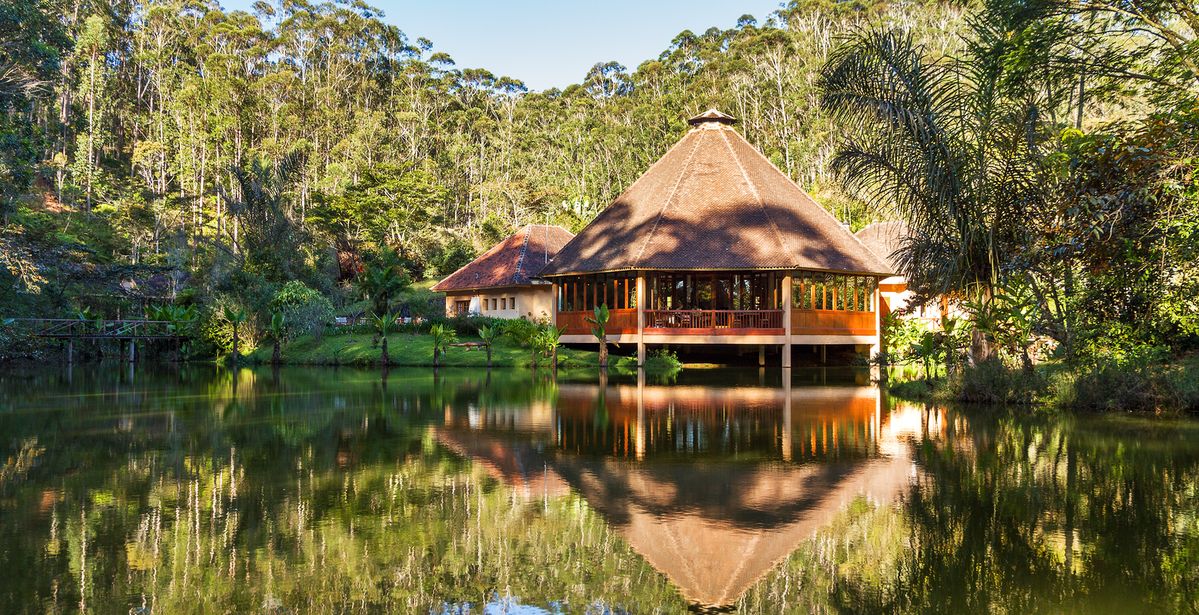
Why Madagascar, and nowhere else
Madagascar split off from the African mainland around 88 million years ago, long enough for the ancestors of today's lemurs to evolve in near-total isolation, with no monkeys, no big cats, and almost no competition. The result: over 100 species and subspecies, from the 9 kg indri down to the mouse lemur, the world's smallest primate, which is small enough to sit in a teaspoon (please don't try this — see the ethics section).
Every single one of them is found in the wild only in Madagascar. Not in a rainforest in Congo, not in a sanctuary in Florida. Here. Which is, frankly, the entire reason this article exists.
Where to see which lemur: the quick answer
If you're in a hurry (we get it, you have a flight to catch), here's the cheat sheet:
| Park / Region | Star species | Distance from Tana | Good for |
|---|---|---|---|
| Andasibe-Mantadia | Indri (sings) | ~3h drive | Easy day/weekend trip, best first stop |
| Isalo | Ring-tailed lemur | ~9-10h (RN7) | Combined with the RN7 south road trip |
| Anja Community Reserve | Ring-tailed lemur (habituated) | ~7h (near Ambalavao) | Close encounters, community-run |
| Nosy Be / Lokobe | Black lemur | Flight + boat | Combining beach time with wildlife |
| Kirindy (near Morondava) | Mouse lemurs, sportive lemurs, fossa | ~1h from Morondava | Night walks, rare nocturnal species |
Andasibe: the singing giant
If you only see one lemur park in your life, make it Andasibe. It's the closest rainforest reserve to Antananarivo, which means you don't need a domestic flight or three days on rough roads to get there — just a comfortable morning drive.
The star here is the indri, the largest living lemur species, easily recognized by its almost non-existent tail (unusual for a lemur) and its call: a long, haunting song that carries for up to 3 km through the canopy and genuinely sounds like a cross between a whale and a fire alarm. Guides can often locate a family by ear before you even see them.
- Best time to hear the indri sing: early morning, generally more vocal September to December.
- Other residents: diademed sifaka, common brown lemur, plus a strong selection of chameleons and frogs if you do a night walk.
- Difficulty: easy, well-maintained trails suitable for most fitness levels.
Isalo & Anja: the ring-tailed classic
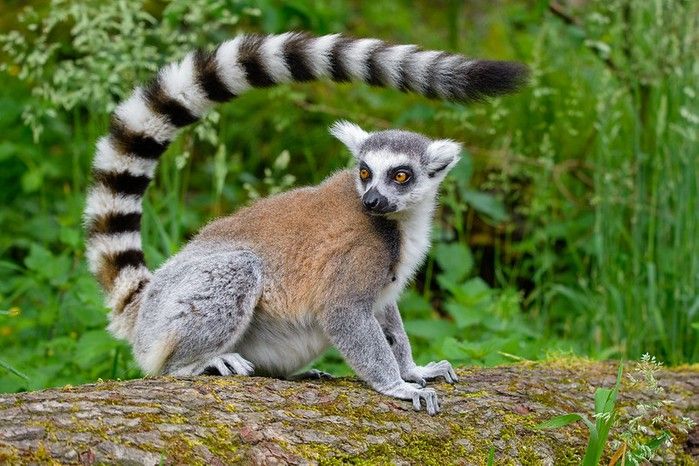
This is the lemur everyone pictures: grey body, black-and-white striped tail held up like a flag, sunbathing on a rock with the posture of someone who has never had a bad day. Ring-tailed lemurs live in troops on the ground far more than other species, which makes for easy, reliable sightings.
- Isalo National Park: dramatic sandstone canyons plus ring-tailed lemur troops around natural pools — a highlight of the classic RN7 route south.
- Anja Community Reserve: a small, community-managed reserve near Ambalavao where the lemurs are used to (but not fed by) visitors, giving some of the closest, most relaxed sightings in the country.
Nosy Be & Lokobe: black lemurs by the beach
Not choosing between "beach holiday" and "wildlife trip"? Nosy Be lets you have both. The Lokobe Nature Reserve, reached by traditional pirogue through mangroves, is home to the black lemur — males are jet black, females are a striking chestnut-orange, so much so that early naturalists assumed they were two different species.
Kirindy: the night shift
Most lemur species are active during the day, but Kirindy Forest, a short drive from Morondava, specializes in the ones that aren't. Guided night walks here reveal mouse lemurs (some of the smallest primates on Earth), Coquerel's giant mouse lemur, sportive lemurs, and — if luck is on your side — the fossa, Madagascar's top predator and the reason lemurs developed such good hearing in the first place.
Kirindy pairs naturally with a Morondava trip, since it sits close to the road to the Avenue of the Baobabs and the Tsingy de Bemaraha.
Ethics: how to lemur-watch responsibly
Lemurs are among the most threatened mammal groups on the planet, so a little discipline from visitors goes a long way:
- Don't feed them. Human food disrupts their diet and health, and turns wild animals into beggars — cute for five minutes, bad for the species long-term.
- Keep your distance and follow your guide's lead — most parks require a minimum distance and no flash photography.
- Choose parks with local, community-based management (like Anja) when you can — your entrance fee directly funds conservation and gives local communities a reason to protect the forest instead of clearing it.
- Stay on marked trails to avoid damaging fragile forest undergrowth that dozens of other species depend on too.
Frequently asked questions
Where is the best place to see lemurs in Madagascar?
Andasibe-Mantadia is the best all-round park: it's close to Antananarivo and home to the indri, the largest living lemur, famous for its whale-like song. For ring-tailed lemurs, Isalo and Anja Community Reserve are the top choices.
Are lemurs only found in Madagascar?
Yes. Lemurs are endemic to Madagascar (and a few nearby islands). They exist nowhere else on Earth in the wild.
What is the best time of year to see lemurs?
Lemurs can be seen year-round, but the dry season (May to October) makes forest trails easier to walk. September to November also coincides with birthing season for several species.
Can you touch or feed lemurs in Madagascar?
You should not touch or feed wild lemurs. It disrupts their natural diet and behavior. Let your guide set the rules at each park.
How many species of lemurs are there?
Over 100 species and subspecies have been described, from the mouse lemur (the world's smallest primate) to the 9 kg indri — and new species are still being identified.