Isalo National Park & the RN7: the complete Madagascar road trip guide
If Madagascar had a classic road trip, this would be it. The Route Nationale 7 runs about 925 km from Antananarivo to Toliara, and in one drive you go from rice terraces and red-brick villages to rainforest, then open savanna, sandstone canyons and finally the dry spiny coast of the south-west. Its star stop is Isalo National Park. Here is how the route works, how long it really takes in 2026, and how to plan it without spending your holiday stuck behind a lorry.
What is the RN7?
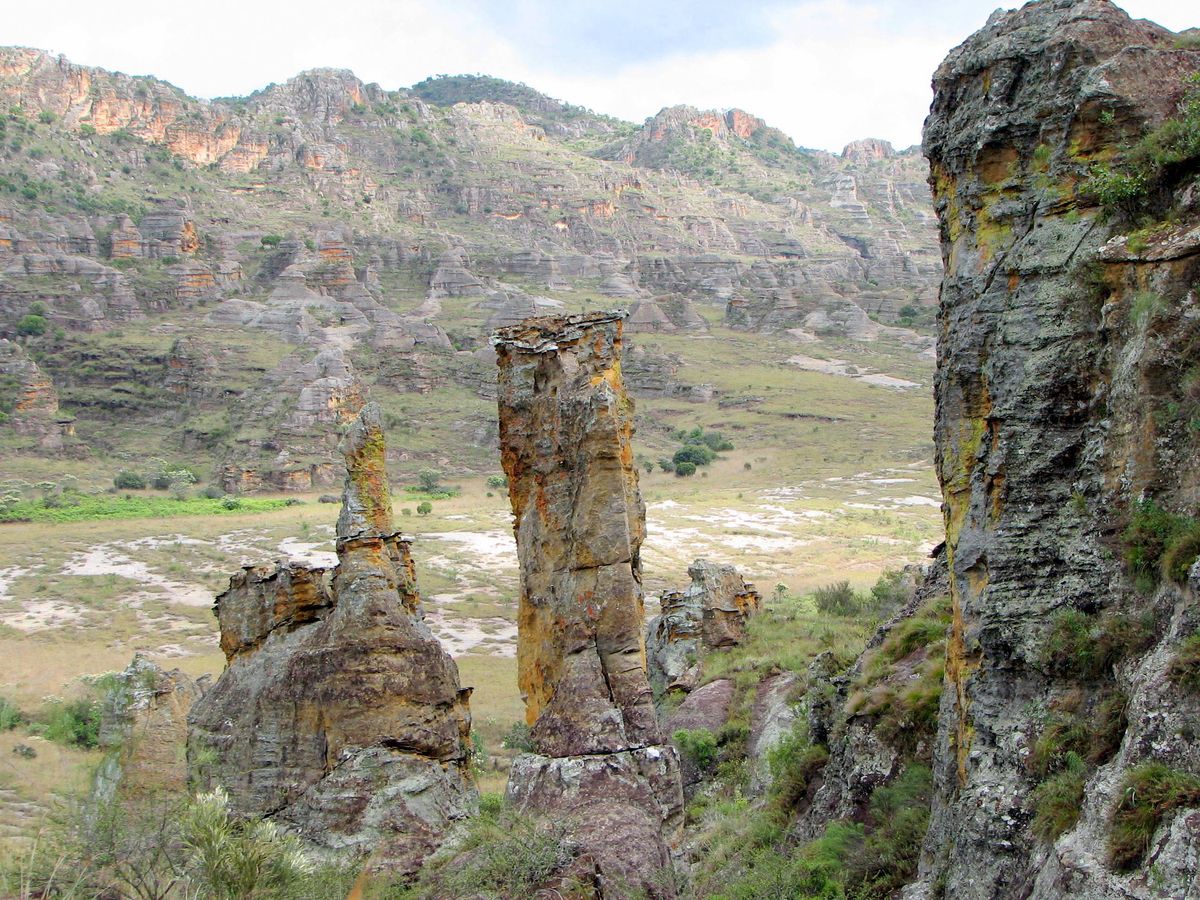
The RN7 is the main paved road linking the capital, Antananarivo, to Toliara (Tuléar) on the south-west coast. It is around 925 km long and crosses the central highlands before dropping into the drier south. Because the landscapes, the peoples and the wildlife change every day of the drive, it is the most popular overland itinerary in the country, and the easiest way to see several national parks in one trip without taking domestic flights.
It is also a road where the journey is the point. You will stop for photos far more often than your schedule says you will.
The route, stop by stop
Distances and times below are approximate, for normal conditions, and do not include stops. Roadworks can make some sections much slower: see road conditions.
| Stage | Approx. distance | Approx. driving time |
|---|---|---|
| Antananarivo → Antsirabe | about 170–190 km | 3–4 h (much longer during roadworks) |
| Antsirabe → Ranomafana (via Ambositra) | about 255 km | 6–7 h |
| Ranomafana → Ambalavao (via Fianarantsoa) | about 130 km | 4–5 h |
| Ambalavao → Ranohira (Isalo) | about 220 km | about 5 h |
| Ranohira → Toliara | about 240–250 km | 4–6 h normally, up to 7–8 h on damaged sections |
Antsirabe
A spa town of the highlands, known for its colourful pousse-pousse rickshaws, wide colonial avenues and small craft workshops. A comfortable first night out of the capital.
Ambositra
The woodcarving capital of Madagascar. The region is home to the Zafimaniry, whose woodcrafting knowledge is recognised by UNESCO as intangible cultural heritage. A good stop for a walk and a look at the workshops.
Ranomafana National Park
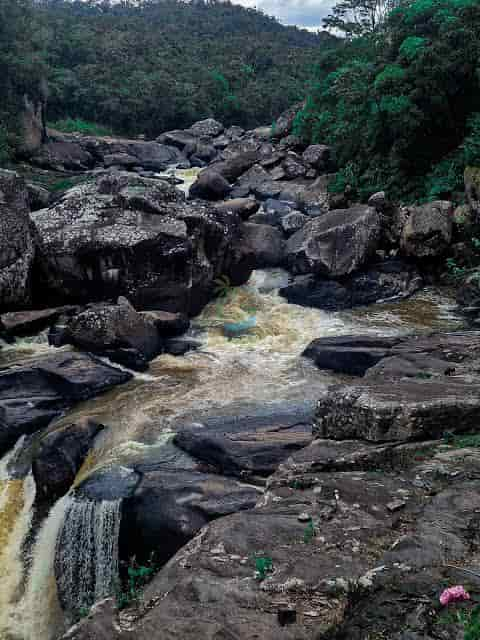
A detour of about 65 km north-east of Fianarantsoa takes you into dense, misty rainforest. Created in 1991, the park is part of the UNESCO-listed Rainforests of the Atsinanana, and is famous for the golden bamboo lemur, whose discovery led to the park's creation. Plan at least one night here, ideally with a night walk.
Fianarantsoa
The cultural capital of the south, with a hilltop old town of churches and steep lanes. It is also the departure point of the Fianarantsoa–Manakara railway, if you want to add a slow train journey to the east coast.
Ambalavao & Anja Community Reserve
About 13 km south of Ambalavao, the small Anja reserve (around 30 hectares) is run by a local association, Anja Miray, since 2001. It is home to roughly 300 ring-tailed lemurs, one of the highest concentrations in the country, plus caves and granite boulders. Entry fees fund village projects, so this is wildlife watching that directly helps the community. The shorter trail takes one to two hours with a local guide.

Ranohira & Isalo
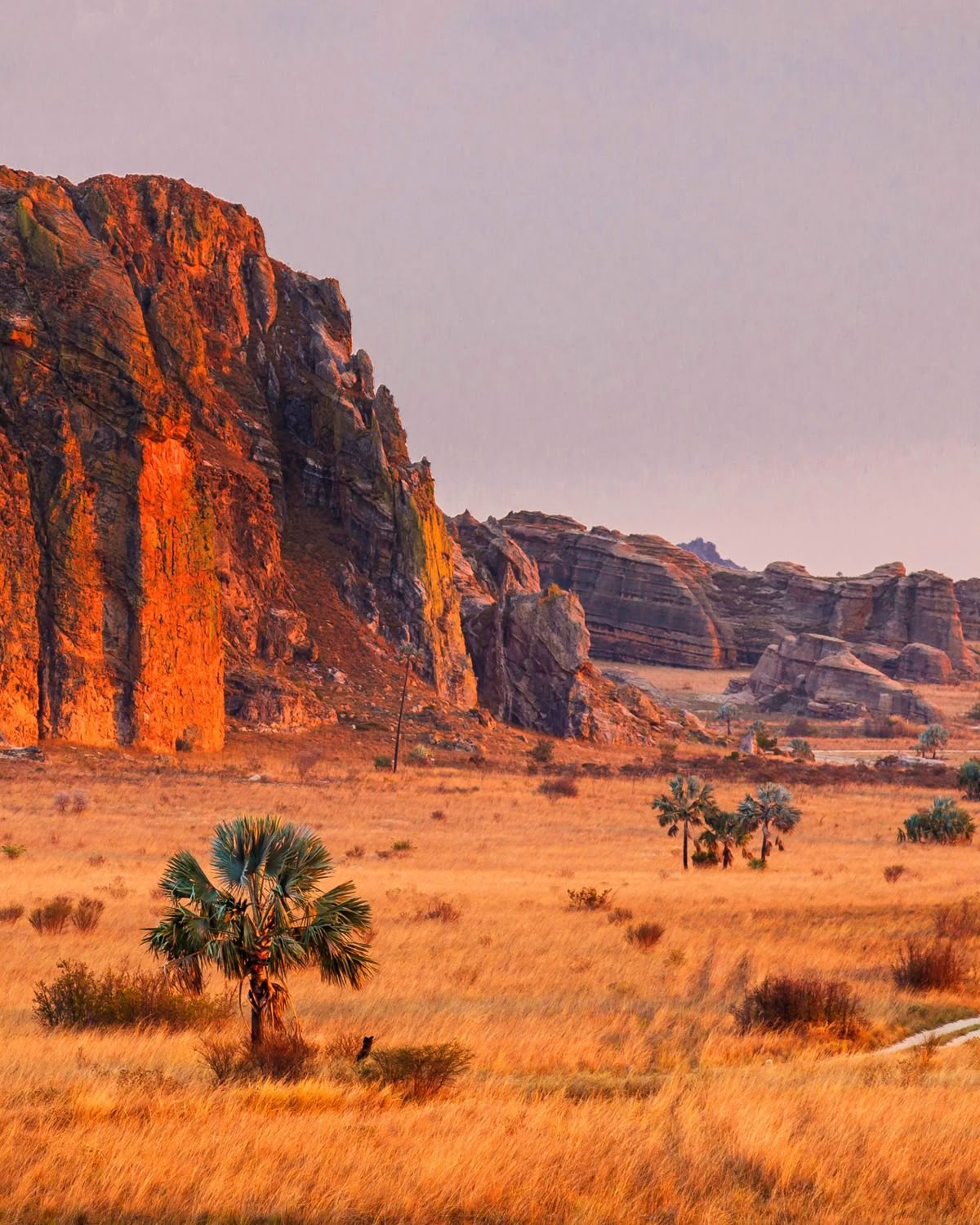
After Ihosy (refuel here), the landscape opens into wide grassy plains until the sandstone walls of Isalo appear. The village of Ranohira is the base for visiting the park. See the Isalo section below.
Towards Toliara
The last stretch passes Zombitse forest, the sapphire town of Ilakaka and the first baobabs before reaching Toliara. From there, the beaches of Ifaty and Anakao are a short transfer away, which makes the RN7 easy to finish with a few days by the sea.
Isalo National Park: which hikes to choose
Isalo is a massif of eroded sandstone cut by deep canyons, with palm-lined streams and natural pools at the bottom. Visits are always made with an accredited local guide, who will adapt the route to your fitness and the heat.
- Canyon des Makis: a fairly flat, easy walk through shaded forest, with a good chance of seeing lemurs.
- Piscine Naturelle: the classic. About half an hour of steep climbing up the massif at the start, wide views over the valleys, then a swim in a natural pool. It can be busy at peak hours.
- Cascade des Nymphes and the black and blue pools: beautiful but more demanding, with slippery paths and stream crossings deep in the gorge.
- The traverse: a long day crossing the massif for very fit walkers.
- Sunset at the "window": a natural rock arch where your guide will usually take you in the late afternoon.
Our honest advice: two days in Isalo is the sweet spot. One day for Piscine Naturelle and a canyon, a second for the black and blue pools or a gentler walk, and one sunset. Start early: by midday the sandstone reflects a lot of heat.
How many days do you need?
- Antananarivo → Isalo only: 5 to 6 days minimum, with one night in Ranomafana and two in Isalo. You then fly back from Toliara or drive back.
- Full RN7, Antananarivo → Toliara: 8 to 10 days lets you enjoy every stop without driving all day, every day.
- RN7 + beach: add 3 to 5 days in Ifaty or Anakao. Our Tuléar–Ifaty–Anakao programme (8 days / 7 nights, from €790 per person) can be used as a stand-alone stay or as the end of your RN7.
If you only have 10 to 12 days in total, see our 10-day itinerary ideas before trying to squeeze in more regions.
Best time to go
- Dry season (about April to November): the most comfortable period, with clear skies and the most reliable roads.
- October and November: still dry, but hot in the south. Plan your hikes for early morning and late afternoon.
- Rainy season (about December to March): the RN7 itself stays open, but some days are wet, rivers rise and certain trails or pools can be harder to reach.
For a month-by-month view of the whole island, read when to visit Madagascar and our guide to the rainy season.
Road conditions in 2026: an honest update
The RN7 is paved, but parts of it have been badly degraded. In November 2025 the Malagasy press reported that Antananarivo–Antsirabe (187 km), normally about two and a half hours, was taking around six hours, and that the Ranohira–Toliara stretch was taking seven to eight hours because of deep potholes around Sakaraha. Rehabilitation works were then underway, and in March 2026 the Ministry of Public Works reported resurfacing progressing between Antananarivo and Antsirabe.
In practice, this means three things:
- Leave margin in the schedule. A 200 km day can take a full day. We build itineraries with shorter stages and no long day just before a flight.
- Never drive at night. Poor lighting, potholes, zebus and pedestrians on the road: daylight driving only.
- Choose a robust vehicle with an experienced driver. On a degraded road, a driver who knows where the holes are makes all the difference. Read our guide on how to get around Madagascar.
Road conditions change from one season to the next. Ask us for the latest situation before you book, and we will tell you honestly what to expect on your dates.
Budget: park fees, guides and vehicle
- Isalo park fees: from 1 November 2026, Isalo is in the most expensive "exceptional" category, at 130,000 Ar per person per day for a foreign visitor, according to Madagascar National Parks. Two days in Isalo means twice the daily fee. Details in our article on national park fees.
- Local guide: mandatory in Isalo and paid on top of the entry ticket.
- Private vehicle with driver: roughly $60–120 per day for the vehicle and driver (fuel extra), shared between passengers.
- Accommodation: from simple guesthouses to comfortable lodges near Isalo; the choice is the biggest variable in your budget.
For a full cost breakdown, see our 15-day Madagascar budget.
Frequently asked questions
How long is the RN7 in Madagascar?
The RN7 runs about 925 km from Antananarivo to Toliara. Allow 8 to 10 days to drive the whole road comfortably with stops in Antsirabe, Ranomafana, Anja, Isalo and on to the coast.
How many days should I spend in Isalo National Park?
Two days is ideal: one for the Piscine Naturelle and a canyon walk, one for the black and blue pools or a gentler hike, plus a sunset at the natural rock window.
Is a guide mandatory in Isalo?
Yes. Visits to Isalo National Park are made with an accredited local guide, whose fee is paid on top of the park entry ticket.
How much does Isalo National Park cost?
From 1 November 2026, Isalo is in the 'exceptional' category: 130,000 ariary per person per day for a foreign visitor, according to Madagascar National Parks. The local guide is extra. Reconfirm fees before you travel.
Is the RN7 in good condition in 2026?
The RN7 is paved, but several sections were badly degraded in late 2025, notably Antananarivo–Antsirabe and Ranohira–Toliara, and rehabilitation works were underway in 2026. Plan shorter stages, never drive at night, and ask for the latest road status before booking.
When is the best time to drive the RN7?
The dry season, roughly April to November, is the most comfortable. October and November are hot in the south, so hike early. From December to March the road stays open but rain can make some days and trails harder.