Madagascar in the rainy season: can you travel from November to April?
Your holidays fall between November and April and everything you read says "rainy season, cyclones, avoid"? From Nosy Be, where we have been working as local guides since 2017, our answer is more nuanced: yes, you can travel to Madagascar at this time of year, as long as you pick the right regions, accept a few showers and build an itinerary that can adapt. Here is what really awaits you, without drama and without sugar-coating.
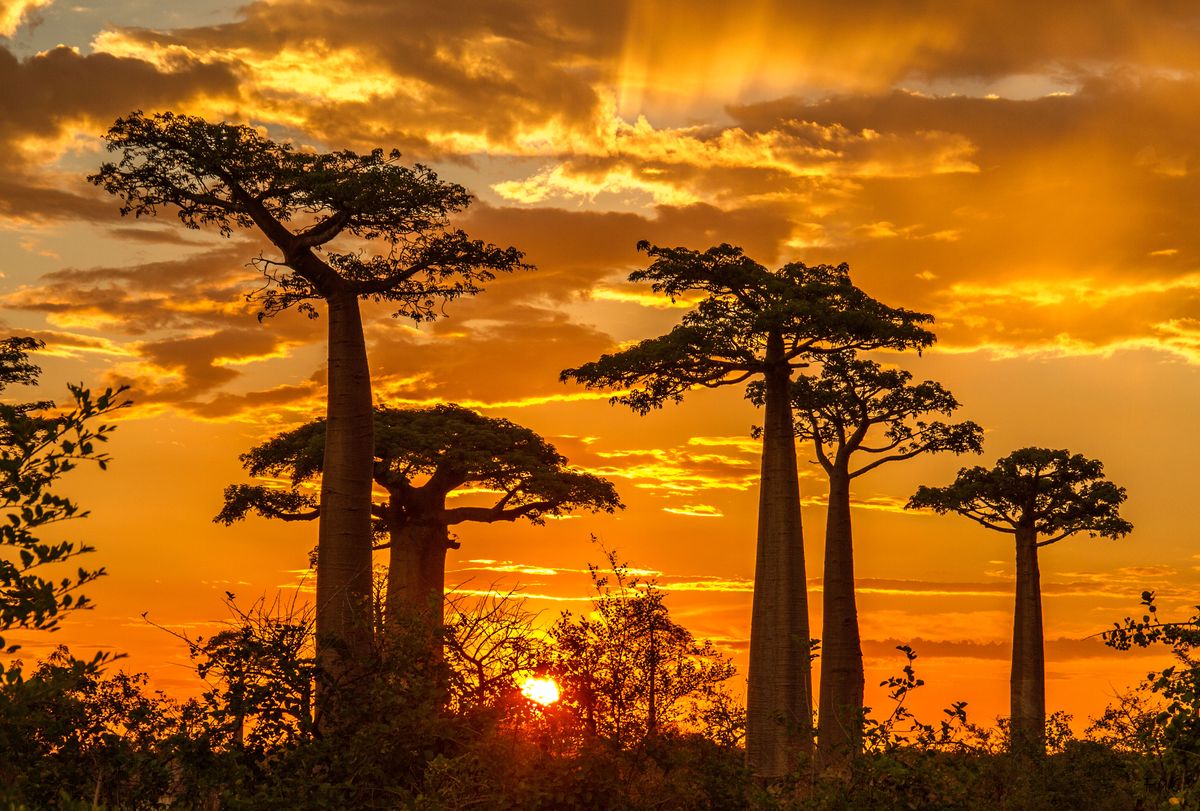
What the rainy season looks like
In Madagascar, the austral summer, from November to March, is the rainy season, with a transition in April. As is typical in the tropics, rain mostly falls as thunderstorms, especially in the afternoon: mornings are often sunny, even in the wettest months. It is hot and humid.
But Madagascar is a big island, and the rain does not fall the same way everywhere:
- The east coast is the wettest: Toamasina receives about 3,200 mm of rain a year, and it actually rains all year round on this coast exposed to the trade winds.
- The south-west is the driest region: about 360 mm a year in Toliara. It is also the hottest in summer, with peaks of up to 40 °C from December to March.
- The north-west and Nosy Be get the monsoon: more than 300 mm a month from December to February, the rainiest and muggiest period.
- The highlands (Antananarivo) receive about 1,150 mm a year, mostly from November to March, with regular late-afternoon storms.
For the full year, dry season included, read our guide When to visit Madagascar. Here we focus on one question only: how to travel well during the wet months.
Cyclone season: how it works
Cyclones can form in the south-west Indian Ocean from November to mid-May, but they are most likely between late December and mid-April. No two years are alike: some seasons are quiet for Madagascar, others much less so.
The good news: a cyclone does not appear without warning. Its track is followed several days in advance, and Météo Madagascar issues regional alerts with a four-level colour code: green, yellow, red (imminent danger) and blue, the latter activated after a cyclone has passed when hazards remain (heavy rain, floods, landslides).
In practice, for a traveller, a cyclone mainly means domestic flights cancelled or rescheduled, roads cut for a few days and boat trips suspended. These are lost days and a programme to rethink, which is why a flexible itinerary and a team on the ground matter so much.
What 2026 taught us: Fytia and Gezani
The 2025-2026 season was a tough one. On 31 January 2026, cyclone Fytia made landfall in the north-west, in the Soalala district, causing severe flooding in Mahajanga. Madagascar's national disaster management office (BNGRC) recorded 12 deaths and more than 77,000 people affected.
Ten days later, on the evening of 10 February 2026, intense cyclone Gezani struck the east coast near Toamasina. According to the BNGRC's provisional report of 25 February, it left 62 dead and more than 430,000 people affected. Toamasina airport only reopened on 13 February, and traffic resumed only gradually on the RN2 between Antananarivo and Toamasina.
Our thoughts go first to the families affected. For travellers, the lesson is simple: no region is completely safe (Fytia came through the west, Gezani through the east), but the danger can be seen coming. Those with a flexible itinerary and a contact on the ground were able to move their stops in time.
Roads and tracks: what to expect
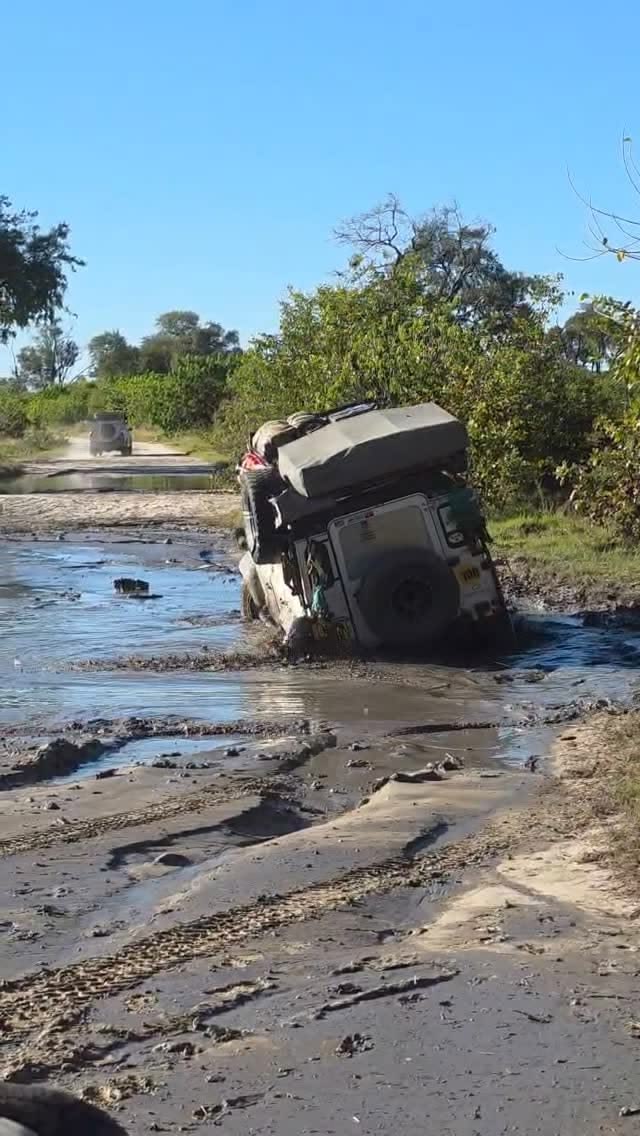
Rain mainly makes road travel harder. The RN7, the Antananarivo – Toliara highway, is paved and stays open all year, but several sections were already badly degraded at the end of 2025, and after heavy rain the potholes fill with water and travel times get noticeably longer.
Dirt tracks suffer far more. In the west, the track to the Tsingy de Bemaraha turns to mud, the river ferries no longer run normally and the park generally closes to visitors during the rainy season (exact dates vary between sources and years). Around Isalo, some 4WD tracks may also close after heavy rain. Find all the details in our Tsingy de Bemaraha guide, and on transport in How to get around Madagascar.
The real advantages of the rainy season
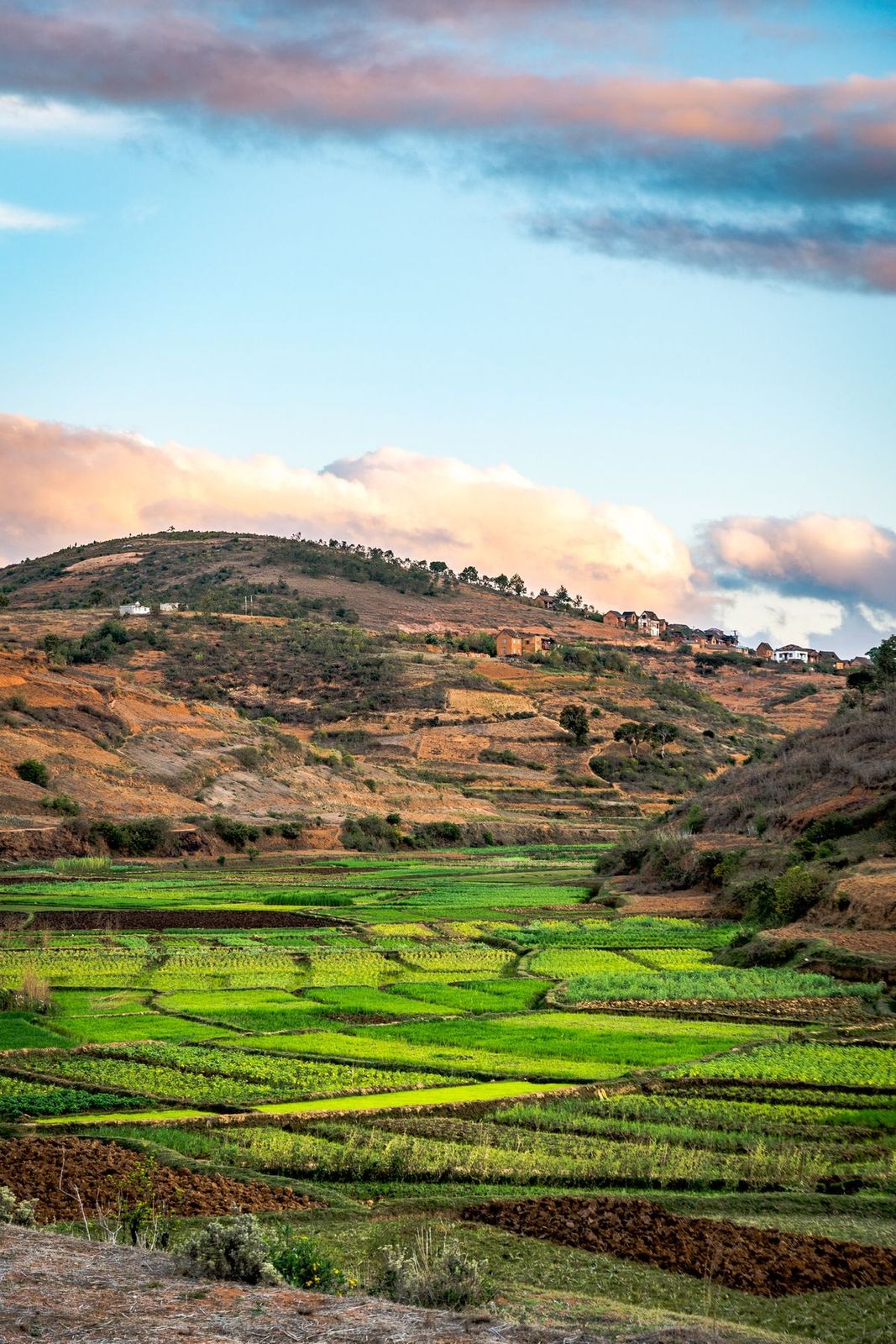
- Very green landscapes: rice fields, forests and the canyons of Isalo take on colours you never see in the dry season. Photographers love it.
- Fewer people: parks, beaches and islands are shared with far fewer travellers than in July and August.
- Low-season rates: many places to stay offer lower rates during the wet months.
- Often beautiful mornings: since storms mostly come in the afternoon, we schedule visits and boat trips early in the day.
Regions to choose (and regions to avoid)
| Region | In the rainy season | Our view |
|---|---|---|
| South-west (Toliara, Ifaty, Anakao) | The driest region of the country, but very hot from December to March. | Our first choice: beaches, lagoon and fishing villages. |
| Highlands (Antananarivo, Antsirabe) | Frequent afternoon storms, mornings often clear. | Very good, with extra time for drives on the RN7. |
| Andasibe | Rainforest: heavy rain, but the park is accessible all year. | Possible with a rain jacket and good shoes. |
| Isalo | Park open, green scenery, some 4WD tracks closed after heavy rain. | Possible, with early-morning hikes. |
| Nosy Be | Rainiest months from December to February, boat trips depend on the weather. | Possible with flexibility; November and April are easier. |
| West (Morondava, Tsingy de Bemaraha) | Tracks impassable, Tsingy park generally closed. | Keep it for the dry season. |
| East coast (Toamasina, Sainte-Marie) | The wettest region, highly exposed to cyclones (Gezani in 2026). | Avoid from January to March. |
The south-west is therefore the ideal base for a rainy-season trip. Our 7-day / 6-night south-west tour starts from €590, and the 8-day / 7-night Toliara – Ifaty – Anakao stay from €790. In Nosy Be, excursions start from €40.
Month by month, November to April
| Month | Weather | Cyclone risk | Our advice |
|---|---|---|---|
| November | First rains, rising heat. | Possible, but less likely. | A good window. Check whether the Tsingy are open if the west tempts you. |
| December | The rainy season sets in, afternoon storms. | Rising from late December. | Possible, with buffer days. Book early for the holidays. |
| January | Heart of the rainy season, hot and humid. | Most exposed period. | South-west and highlands, flexible itinerary and insurance. |
| February | Still very wet. | Most exposed period (Fytia and Gezani in 2026). | Same advice as January, avoiding the east coast. |
| March | Still wet, landscapes at their greenest. | Still present. | Few people, gentle rates: interesting for flexible travellers. |
| April | Transition, the rains ease off. | Possible until mid-April, rarer afterwards. | A very good compromise. The west gradually reopens depending on the tracks. |
Our tips for a stress-free trip
- Take out solid travel insurance: check that it covers cancellation, trip interruption and medical repatriation, and read the clauses on weather events.
- Stay flexible: plan one or two buffer days before your international flight and avoid tight connections.
- Consider domestic flights: they save long days on damaged roads, but they can also be rescheduled during an alert. Keep a margin.
- Follow the weather: Météo Madagascar's bulletins and alerts are the reference. Your guide follows them for you too.
- Start your days early: hikes, visits and boat trips in the morning, before the afternoon storms.
- Pack the right gear: a light rain jacket, quick-drying shoes, dry bags for electronics and mosquito protection.
- Read also our article Is Madagascar safe to visit? for other safety aspects on the ground.
Frequently asked questions
Can you travel to Madagascar during the rainy season?
Yes, if you choose your regions well and stay flexible. The south-west stays dry and rain mostly falls in the afternoon, but the west and the Tsingy are best avoided and a cyclone may force changes to the programme.
When is cyclone season in Madagascar?
Cyclones can form from November to mid-May, mostly between late December and mid-April. In 2026, Fytia (31 January) and Gezani (10 February) hit the island.
Which regions should you visit in Madagascar during the rainy season?
The south-west (Toliara, Ifaty, Anakao) first, then the highlands, Andasibe and Isalo. Nosy Be is possible with flexibility. Avoid the west and, from January to March, the east coast.
Can you visit the Tsingy de Bemaraha in the rainy season?
In practice, no: the tracks are impassable and the park generally closes to visitors during this period. Keep the Tsingy for the dry season.
What happens if a cyclone arrives during my trip?
Cyclones are announced several days in advance. Flights, roads and boat trips may be suspended: your local guide adapts the itinerary and you wait safely for the alert to be lifted. Cancellation and interruption insurance is strongly recommended.