When to Visit Madagascar: The Complete Guide to Seasons
Madagascar can be visited all year. Technically. But between "visiting" and "coming home with magical memories instead of a tropical pneumonia", there's a season to choose. Good news: this guide will save you from booking your flight during cyclone season to see the Tsingy (spoiler: it doesn't work).
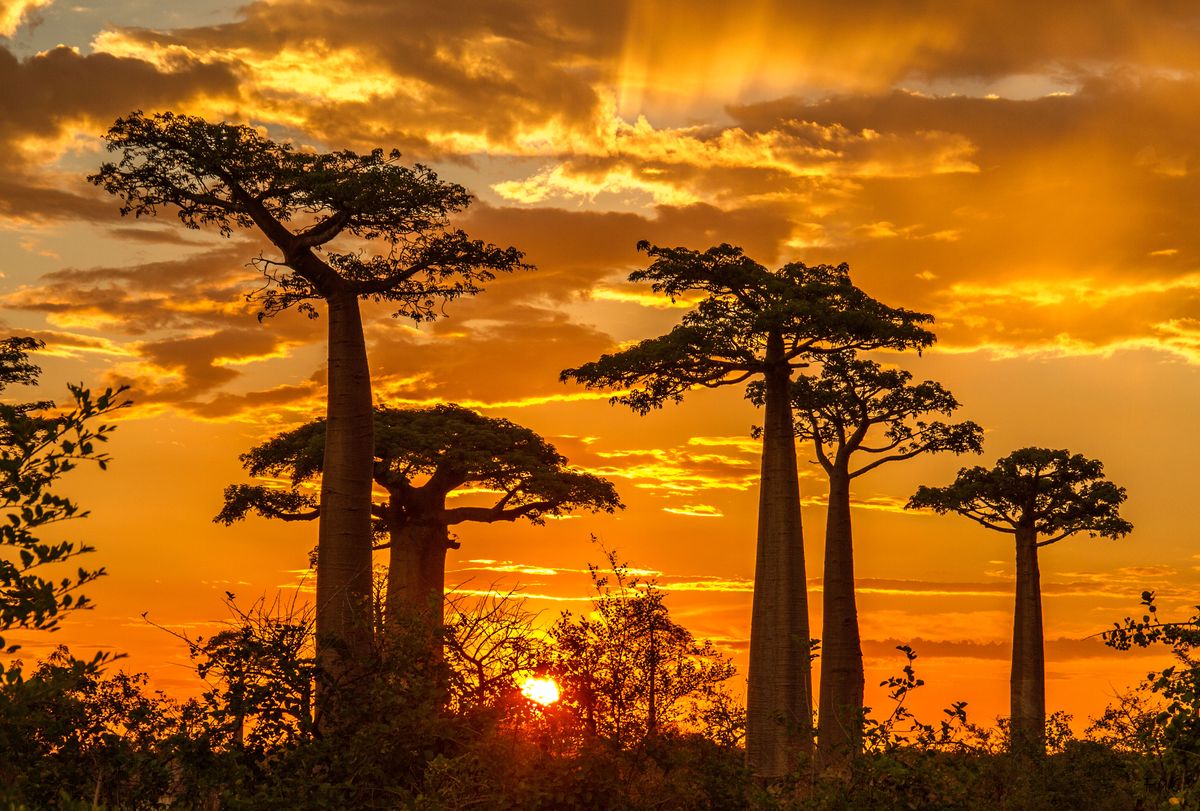
The two seasons: user manual
In Madagascar, there aren't four seasons. There are two, and they don't pretend otherwise:
☀️ The dry season (May to October)
This is the blessed period for travelers. Dry weather, pleasant temperatures, passable roads. Malagasy people call it "austral winter" — meaning: it's 25°C instead of 32°C. Don't break out the beanie.
- Sunny days and clear skies
- Temperatures: 20–28°C (coasts) / 10–22°C (highlands — yes, it's cool in Tana, pack a fleece)
- Roads and tracks passable, including to the Tsingy
- Active wildlife: it's the best period for lemurs and whales
- Careful: it's high season. Book your accommodation and domestic flights 3–6 months in advance.
🌧️ The rainy season (November to April)
This is the rainy season. It has a bad reputation, but it has its advantages — and some downsides that sting:
- Green and lush landscapes (photographers love it)
- Low prices: international flights, accommodation, excursions
- Fewer tourists (hello, peace and quiet)
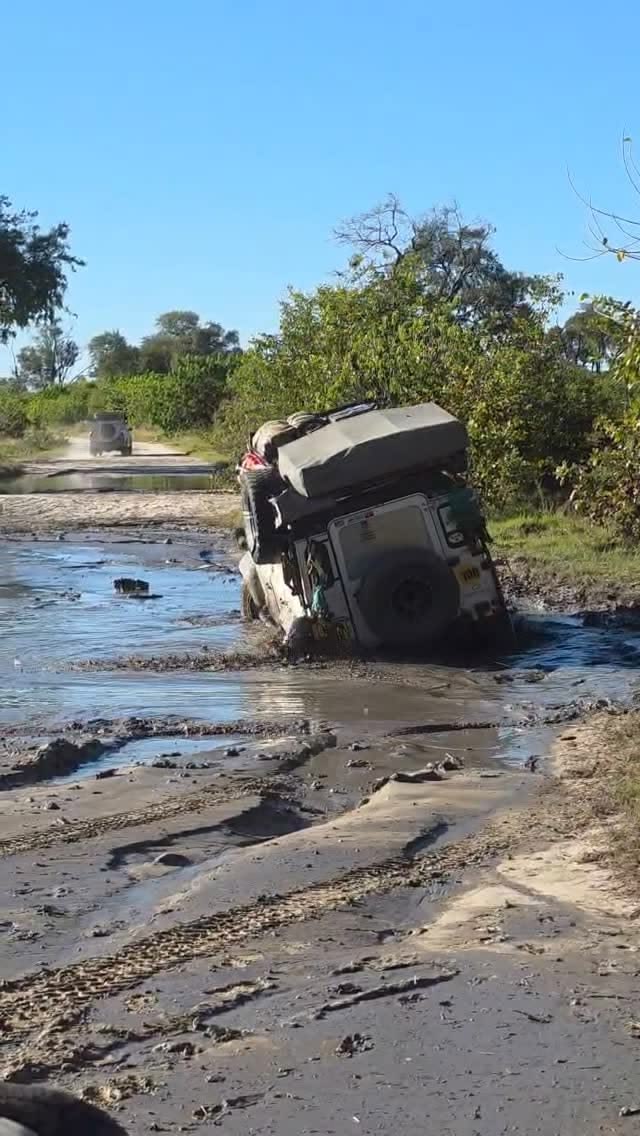
- But: some roads become impassable (west coast, Tsingy), mosquitoes are more active, and cyclones can play spoilsport in January-February.
Month by month: the verdict
If you want a quick summary, here it is. Yes, it's a table. No, you can't escape it.
| Month | Weather | Crowds | Verdict |
|---|---|---|---|
| January | Hot, humid, cyclones possible | Very low | ❌ Avoid unless on a tight budget |
| February | Humid, hot | Low | ❌ Not ideal |
| March | Still humid | Low | ⚠️ Possible in some regions |
| April | Transition | Medium | ✅ Good compromise |
| May | Dry, pleasant | Medium | ⭐⭐ Excellent |
| June | Dry, mild | Medium | ⭐⭐⭐ The best month |
| July | Dry, whales | High | ⭐⭐ Very good, but pricey |
| August | Dry, whales | Very high | ⭐ Good, but very expensive |
| September | Dry, whales | Medium-high | ⭐⭐⭐ The best compromise |
| October | Dry, starting to heat up | Medium | ⭐⭐ Very good |
| November | Hot, first rains | Low | ⚠️ Transition |
| December | Hot, humid, holidays | Medium | ⚠️ Possible but rainy |
Summary in one sentence: visit Madagascar between June and September. If you want to avoid crowds and high prices, aim for June or September.
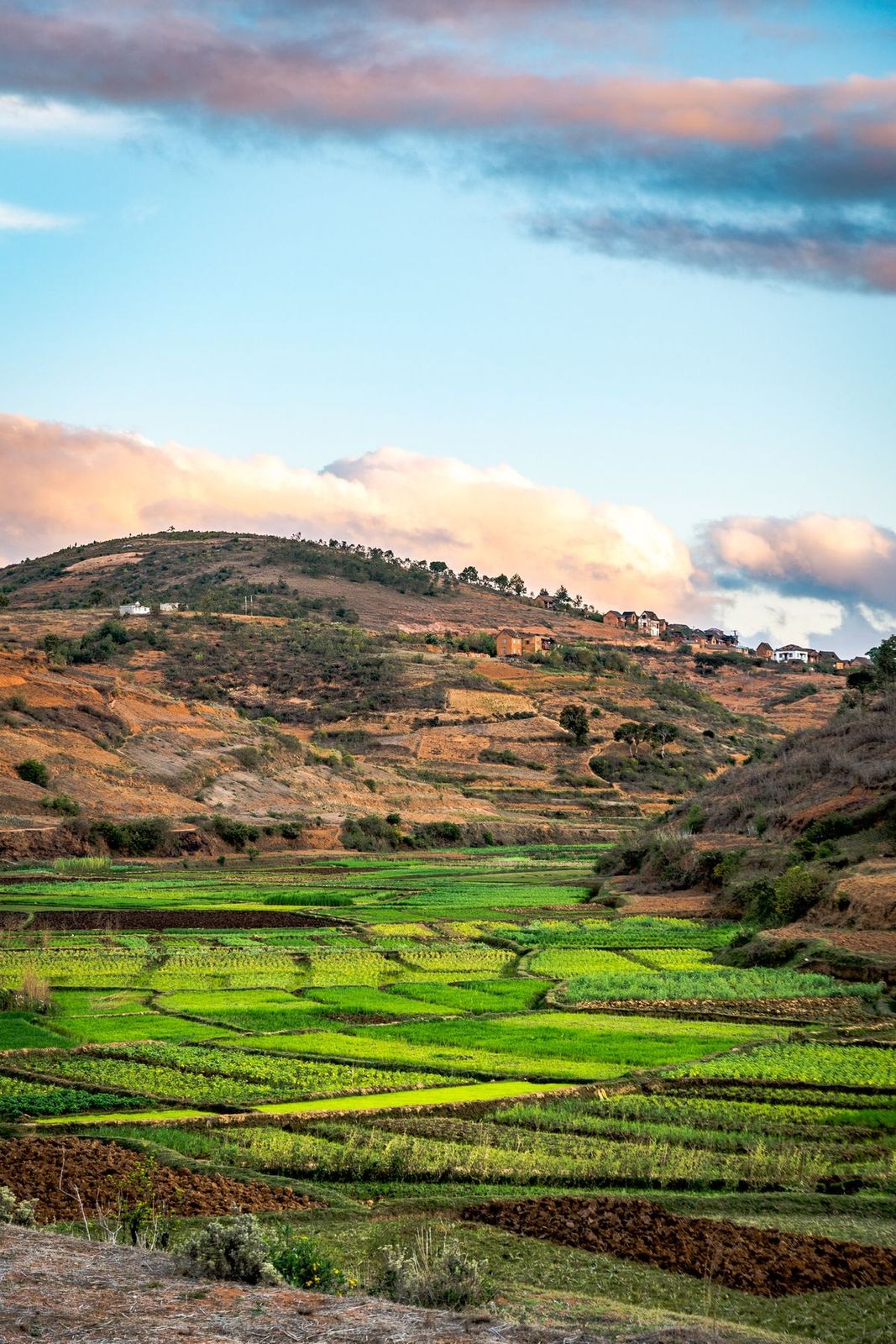
Which period by region?
Madagascar is big. Really big. The weather in Nosy Be has nothing to do with Tana's, and the Tsingy have their own rules. Here's the region-by-region breakdown:
🏝️ Nosy Be (northwest)
- Ideal: May to November
- Avoid: January-February (cyclones, rains)
- Why: diving, snorkeling, islands, beaches. The sea is calmer and visibility better in the dry season.
🌳 Morondava & Tsingy (west)
- Ideal: May to November (mandatory)
- Avoid: December to April
- Why: the Morondava–Bekopaka track is impassable in the rainy season. The Tsingy are inaccessible. Don't tempt fate.
🐋 Sainte-Marie (east)
- Ideal: July to September (humpback whales)
- Possible: May to November
- Avoid: January-March (frequent cyclones on the east coast)
- Why: the whales are the main show, and they only come in austral winter.
🏔️ Diego Suarez (north)
- Ideal: May to November
- Avoid: January-March (cyclone season)
- Why: Emerald Sea, Amber Mountain, Red Tsingy — everything is done in the dry season.
🌵 Toliara & the South (southwest)
- Ideal: April to November
- Avoid: December-March
- Why: the South is semi-arid, but the rainy season can make some tracks difficult. The heat is more bearable in austral winter.
🌿 Andasibe & the East (rainforest)
- Ideal: September to November (dry season)
- Possible: all year — it's a rainforest, it rains often anyway
- Why: indri are visible all year. Pack a poncho, whatever the season.
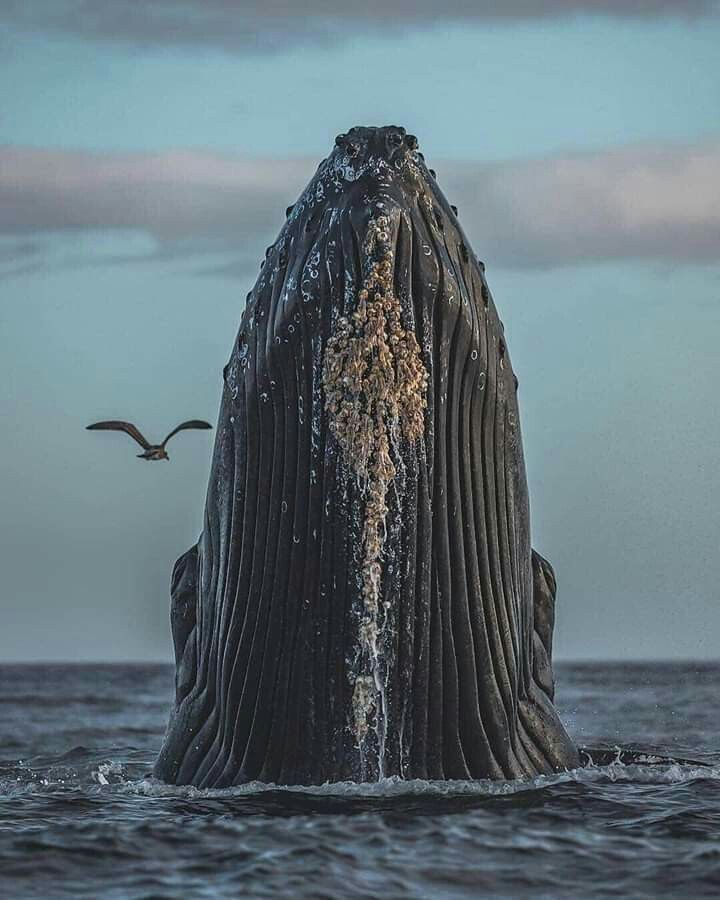
Whale watching season: the bonus show
Between July and September, humpback whales migrate to the warm waters of Madagascar to breed and give birth. It's one of the country's major attractions — and it's really worth it.
- Sainte-Marie: the best destination for observation (July–September).
- Nosy Be: also possible, especially in August–September.
- Nosy Iranja: some excursions allow you to spot them.
- Indicative price: $45–90 per person for a whale watching trip (3–4 hours).
- Ethics: choose respectful operators who don't harass the animals. A stressed whale is not a beautiful photo.
Fun fact: a humpback whale can measure up to 16 meters and weigh 30 tons. That's heavier than your suitcase after a week of souvenir shopping. Fortunately, they don't travel in the hold.
Cyclones: should you really worry?
The cyclone season in Madagascar runs from December to March, with a peak in January-February. Should that stop you from traveling? Not necessarily, but you need to know what you're doing.
- Risk areas: east coast (Sainte-Marie, Toamasina, Masoala), north (Diego, Nosy Be).
- Safer areas: highlands (Tana, Antsirabe), southwest (Toliara), parts of the west.
- Impact: canceled or delayed flights, closed roads, suspended sea excursions. Hotels are sometimes closed.
- Good to know: cyclones are announced several days in advance. Authorities close roads and ports ahead of time.
- Our advice: if you travel in January-February, get cancellation insurance and stay flexible.
In short: it's not the end of the world, but it's not the ideal season either. If you have the choice, aim for May–October.
How many days to plan?
Existential question. Honest answer: it depends on what you want to do. But here's a reference:
- 7–10 days: one single region (Nosy Be, South, or West).
- 12–15 days: two combined regions (e.g. Tana + RN7 + Ifaty, or Morondava + Nosy Be).
- 18–21 days: three regions (e.g. North + West + South). Ideal for a first big trip.
- 3 weeks +: you can consider a full tour of the island.
The golden rule: don't try to see everything. Distances are long, domestic flights are expensive, and a rushed trip leaves fewer memories than a relaxed one. Better one region well explored than four regions skimmed through.
Frequently asked questions
When is the best time to visit Madagascar?
The best period is May to October (dry season). June and September offer the best balance of price and weather. Avoid January-February (rainy season and possible cyclones) unless you're looking for low prices and green landscapes.
What is the best season for whale watching in Madagascar?
The humpback whale season runs from July to September, mainly in Sainte-Marie and Nosy Be. This is the ideal period to observe them on sea excursions.
When to visit Nosy Be?
Nosy Be can be visited all year, but the best period is May to November (dry season) for diving and water activities. December-April is more humid and hot, with risks of rain.
When to visit Morondava and the Tsingy?
The dry season (May to November) is essential for the Tsingy de Bemaraha. The west coast roads are impassable during the rainy season (December-April). Avoid this region in January-February.
Can you travel to Madagascar during the rainy season?
Yes, but with caution. The rainy season (December-April) offers green landscapes and low prices, but some roads become impassable, especially on the west coast. Cyclone risks increase in January-February. Choose accessible regions: Nosy Be, East, highlands.
Read next: travelling in the rainy season · Nosy Be or Sainte-Marie?