Nosy Be or Sainte-Marie: which island to choose for your season and travel style?
It is one of the questions we hear most often: "Nosy Be or Sainte-Marie?" Both islands are dreamy, but they are not alike, they are not best visited in the same season and they are not reached the same way. We are based in Nosy Be, where we have been guiding travellers since 2017, and we also organise trips to Sainte-Marie. Here is our honest comparison to help you pick the island that truly fits your dates and your wishes.
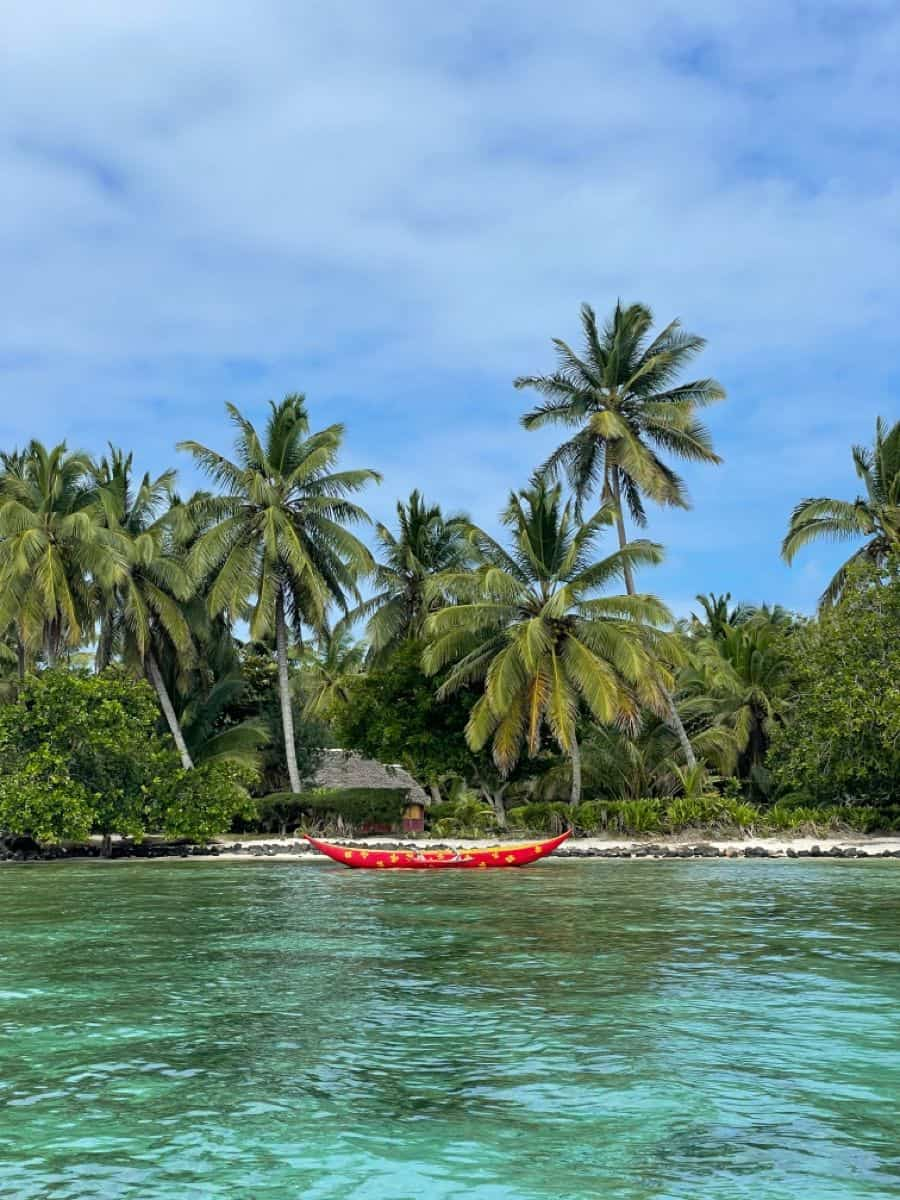
The short answer
- Travelling July to September and dreaming of humpback whales: Sainte-Marie, no question.
- Travelling September to December and keen to swim with whale sharks: Nosy Be.
- You want turquoise water, island-hopping and easy access: Nosy Be.
- You want a greener, quieter island with history: Sainte-Marie.
Nosy Be: an archipelago of turquoise islands
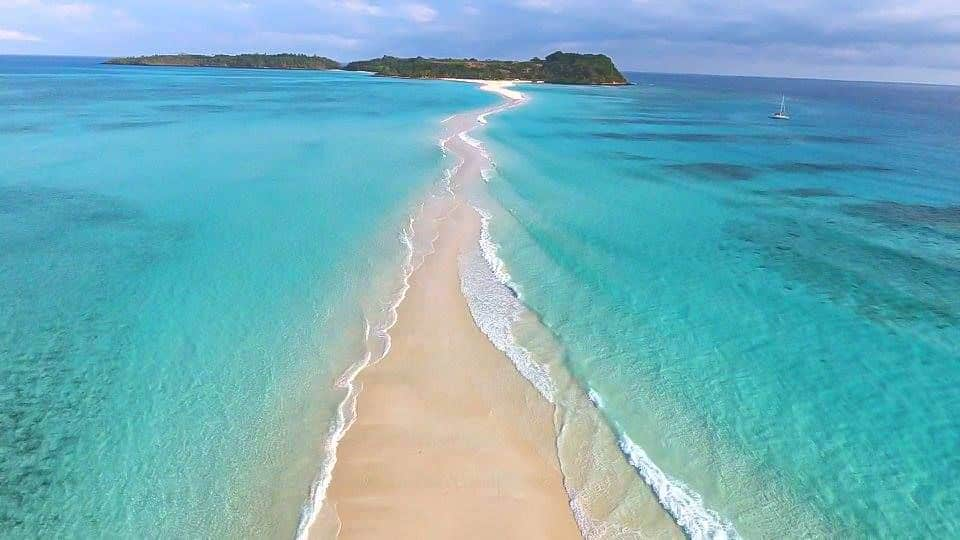
Nosy Be lies off northwest Madagascar, and its real strength is the islands around it. Every day can be a different boat trip: Nosy Komba and its lemurs, Nosy Tanikely and its marine reserve for snorkelling, Nosy Sakatia, and above all Nosy Iranja, two islands joined by a sandbank at low tide.
On the main island you can mix Andilana beach, the Lokobe forest, the Hell-Ville market and sunset on Mont Passot. The atmosphere is livelier than in Sainte-Marie, with a wider choice of accommodation, restaurants and organised activities.
The sea around Nosy Be is also known for its wildlife: whale sharks from September to December, humpback whales roughly from July to November and sea turtles all year round. To dig deeper, read our guides Things to do in Nosy Be and whale sharks in Nosy Be.
Sainte-Marie: whales, pirates and nature
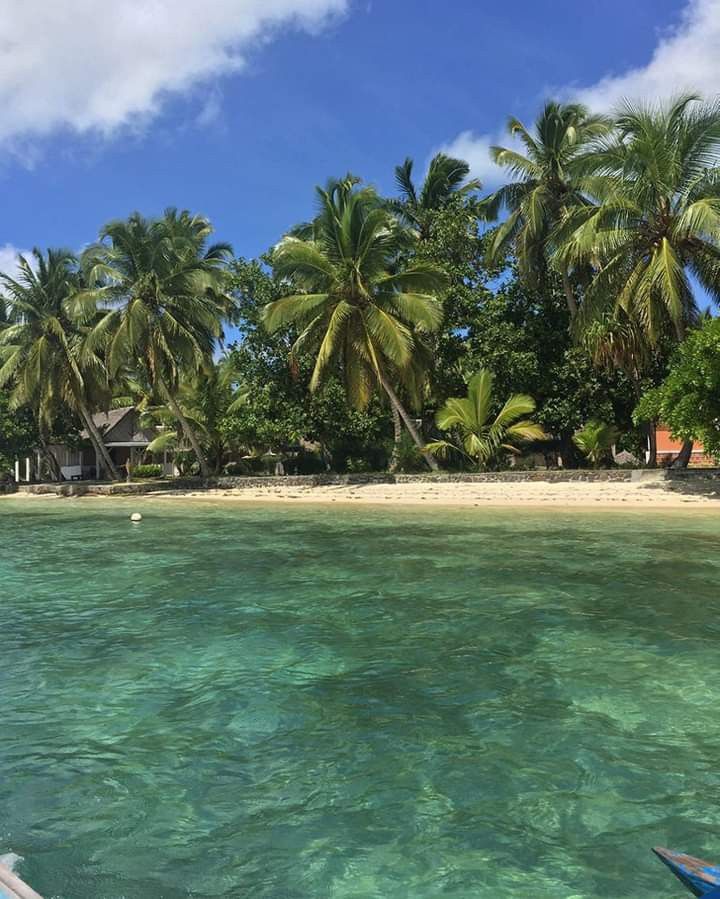
Sainte-Marie (Nosy Boraha) is an island about 60 km long off Madagascar's east coast. It is greener, wilder and quieter than Nosy Be: no archipelago to explore by boat every day, but an island you discover at your own pace, from village to beach.
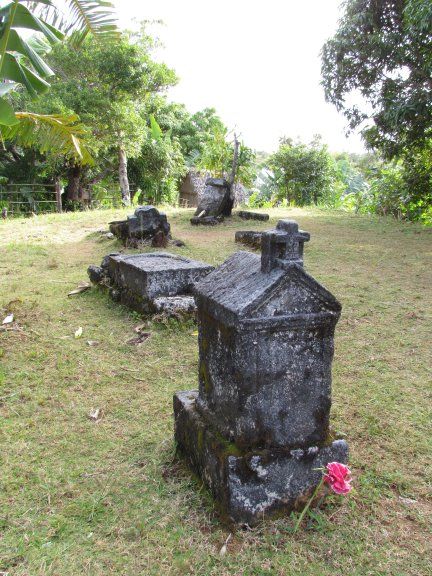
Its highlights: humpback whale watching in the channel between the island and the mainland, the pirate cemetery with its skull-engraved tombstones, the small town of Ambodifotatra, the natural pools in the north of the island, and Île aux Nattes, a small car-free island a short pirogue crossing from the southern tip.
The comparison at a glance
| Criteria | Nosy Be | Sainte-Marie |
|---|---|---|
| Atmosphere | Livelier, wider tourist offer | Quieter, greener, more off the beaten track |
| Beaches | Archipelago islands (Nosy Iranja, Tanikely, Komba…) | Île aux Nattes, beaches and lagoons around the island |
| Signature marine life | Whale sharks (September – December) | Humpback whales (July – September) |
| Best time | Dry season, roughly May – October | Whale season, then September – November |
| Climate | Clear dry season | Rain possible all year (east coast) |
| Access | Direct international flights, some seasonal | Domestic flight via Antananarivo (or road + boat) |
| Our prices | One-island excursion from €55; all-islands package €375 (accommodation not included) | 7-day / 6-night tour from €375 |
Which island for which season
Your travel dates often decide for you. Nosy Be, in the northwest, has a clear dry season, roughly from May to October; April and November are transition months. On the east coast, in Sainte-Marie, it can rain all year round: September to November are among the driest months. On both islands, January to March is the rainy and cyclone season.
| Period | Nosy Be | Sainte-Marie |
|---|---|---|
| January – March | Rainy season, cyclone risk | Rainy season, cyclone risk |
| April – June | Rains end, dry season sets in | Conditions improve from May |
| July – August | Dry season, high season | Humpback whale season: our top pick |
| September | Whale shark season begins | End of whale season, often an excellent month |
| October – November | Peak whale shark season | Among the least rainy months, no whales |
| December | Whale sharks wind down, rains begin | Weather gets wetter |
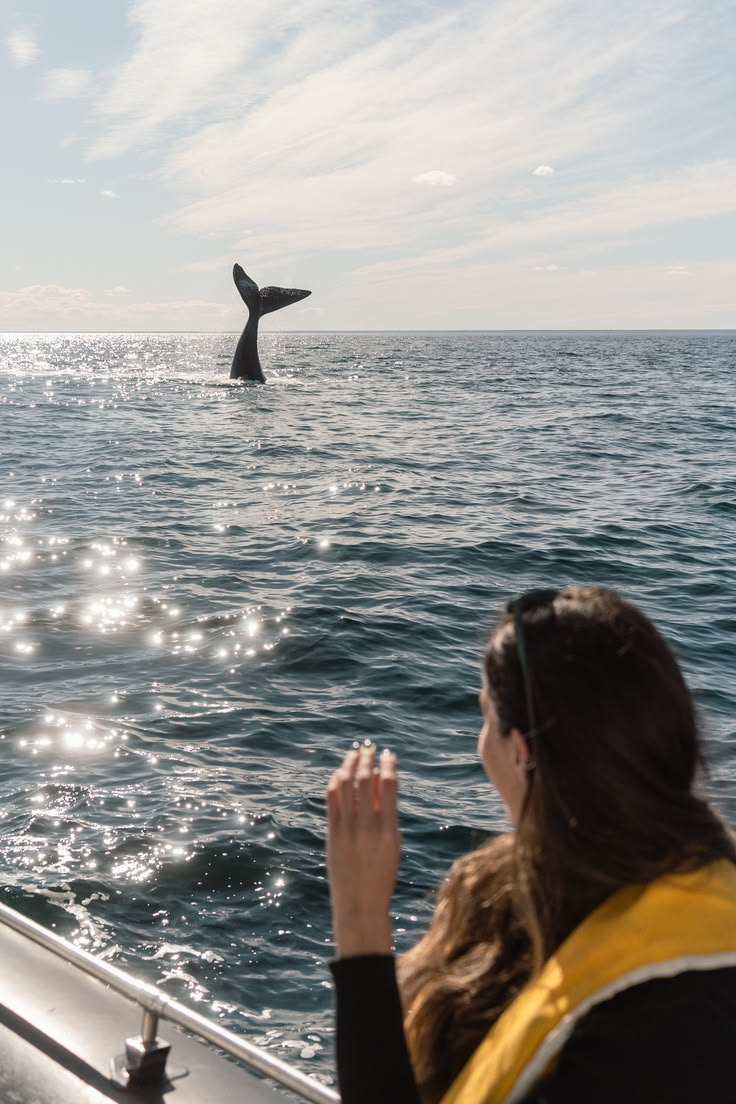
Everything about whale season: read our guide Whale watching in Sainte-Marie.
Flights and budget
Nosy Be is the easier island to reach from Europe. Its airport has international flights, including Ethiopian Airlines via Addis Ababa, Air Austral from Reunion and seasonal Neos flights from Milan and Rome, as well as domestic flights from Antananarivo. Full details in our article Flights to Nosy Be.
For Sainte-Marie, you usually land in Antananarivo, then take a Madagascar Airlines domestic flight (about 1 h 15). There is an overland option, by road to Soanierana-Ivongo and then by boat, but it takes up most of a day. New route announced: Madagascar Airlines plans a Reunion – Sainte-Marie – Antananarivo service from 16 December 2026, twice a week.
On budget, the main difference is transport. Nosy Be can be reached without a domestic flight, while Sainte-Marie almost always needs one. On the ground, Nosy Be offers more choice at every price level; Sainte-Marie's offer is smaller and simpler. Our benchmarks: one-island excursion in Nosy Be from €55, all-islands package in Nosy Be €375 (accommodation not included), Sainte-Marie tour 7 days / 6 nights from €375.
Who each island suits
Choose Nosy Be if:
- you want to go island-hopping by boat day after day;
- you dream of swimming with whale sharks (September to December);
- you are on your honeymoon: read our guide Honeymoon in Nosy Iranja;
- you are short on time and want to keep domestic flights to a minimum.
Choose Sainte-Marie if:
- you are travelling July to September and want to see humpback whales;
- you love quiet, green islands to explore on foot, by bike or by tuk-tuk;
- pirate history and village life appeal to you;
- you want to discover the east coast, away from the most classic routes.
Combining both islands
It is possible, and a great way to see two sides of Madagascar. But there is no direct flight between Nosy Be and Sainte-Marie: you have to go back through Antananarivo. Plan a transfer day between the two and at least two weeks in total to enjoy both without stress.
Our favourite combination: Sainte-Marie in August or early September for the humpback whales, then Nosy Be in September for the islands and the start of the whale shark season. Our local guides handle the logistics on both islands. Discover our Sainte-Marie 7-day / 6-night tour.
Frequently asked questions
Nosy Be or Sainte-Marie: which island is more beautiful?
Both, in different ways: Nosy Be for its turquoise archipelago (including Nosy Iranja, 4th in the World's 50 Best Beaches 2026), Sainte-Marie for its green, wild and historic character.
When can you see humpback whales in Sainte-Marie?
Roughly from July to September. Humpback whales are also seen around Nosy Be, roughly from July to November.
Can you combine Nosy Be and Sainte-Marie in one trip?
Yes, via Antananarivo: there is no direct flight between the two islands. Allow at least two weeks.
Which island should I choose in October or November?
Usually Nosy Be, for the dry season and the whale sharks. Sainte-Marie still works, with lighter rain, but without humpback whales.
How do you get to Sainte-Marie from Europe?
International flight to Antananarivo, then a domestic flight to Sainte-Marie. A Reunion – Sainte-Marie – Antananarivo route is announced from 16 December 2026.