Whale Watching in Sainte-Marie: The Complete Guide
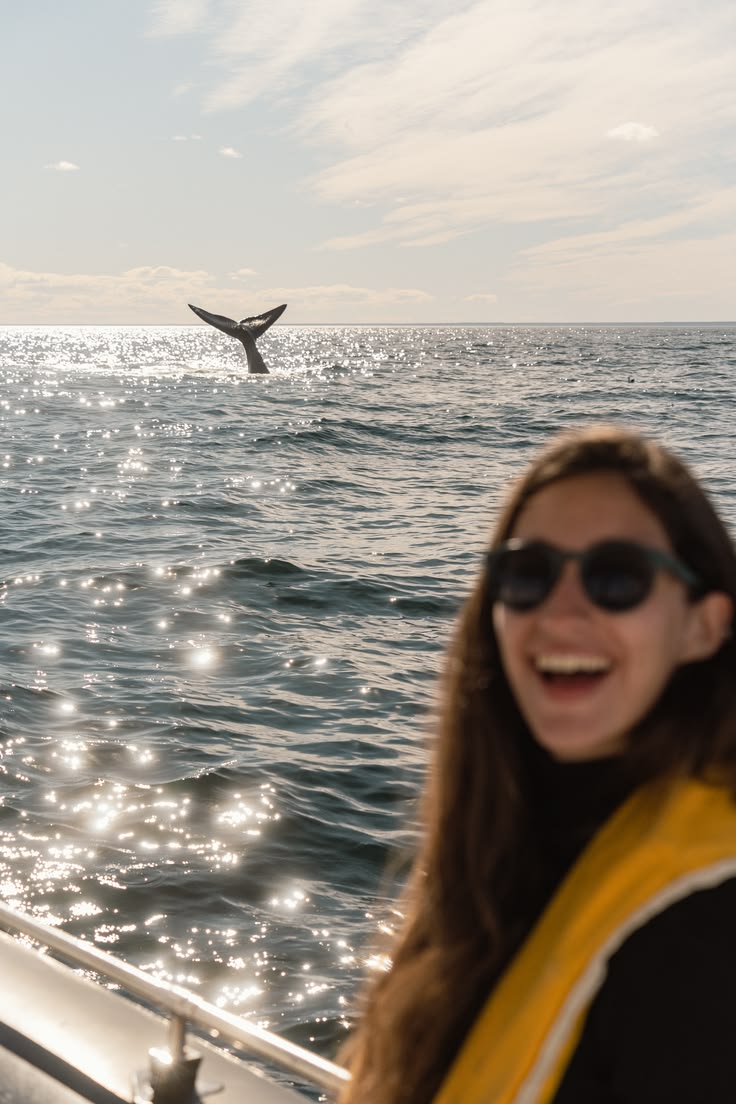
Every year, between July and September, dozens of 30-ton humpback whales decide that the warm, calm waters off Sainte-Marie are the ideal place to fall in love, give birth, and occasionally launch their entire body out of the ocean for no obvious reason other than showing off. It's one of the most reliable wildlife spectacles in the Indian Ocean, and yes, it's every bit as good as the photos.
Why Sainte-Marie specifically
Humpback whales migrate thousands of kilometers each year from the cold, food-rich waters of Antarctica to warmer tropical seas to breed and give birth, because — reasonably — nobody wants to deliver a newborn calf in freezing water. The channel between Sainte-Marie and mainland Madagascar happens to be one of their favorite nurseries: calm, warm, and sheltered enough to make it a globally recognized whale watching destination, without the crowds of more famous spots elsewhere in the world.
Best season, month by month
| Month | Whale activity |
|---|---|
| June | First arrivals, sightings possible but less frequent |
| July | Season picks up, good chances |
| August | Peak season — highest concentration of whales, including mothers with calves |
| September | Still excellent, whales begin preparing to migrate back south |
| October | Tail end of the season, sightings become less reliable |
Our recommendation: if your dates are flexible, aim for August. If you want fewer boats on the water and still excellent odds, early September is a great compromise.
What to expect on an excursion
- Duration: most excursions run 3-4 hours, departing in the morning when the sea is typically calmer.
- Boat type: small to medium motorized boats, usually carrying 8-15 passengers.
- What you'll see: tail slaps, pectoral fin waves, spouts (their exhale, visible as a spray), and — if you're lucky — a full breach, where the whale launches most of its body out of the water.
- Bring: sunscreen, a hat, sunglasses, and a waterproof bag for your phone/camera — sea spray is part of the experience.
- Seasickness: if you're prone to it, consider medication in advance; even calm days can have swell.

Prices and what's included
- Typical price range: $45-$90 per person for a 3-4 hour excursion, depending on boat size and operator.
- Usually included: life jackets, a guide/naturalist commentary, and often a stop for snorkeling if conditions allow.
- Usually not included: hotel transfers (confirm with your operator) and any specialty photography equipment.
Choosing a responsible operator
Not all whale watching is created equal. A responsible operator prioritizes the whales' wellbeing over getting the closest possible photo, which — as it happens — also tends to produce calmer, more natural whale behavior and better viewing overall.
- Look for: operators who maintain a respectful distance, limit the number of boats near a single whale at once, and cut the engine or slow down on approach.
- Red flags: boats chasing whales at speed, crowding a mother and calf, or excursions that promise "guaranteed close contact" — whales are wild animals, not a show on a schedule.
- A good sign: if your guide explains whale behavior and gives context rather than just pointing and shouting "there, there!" — it usually means they know and respect the animals.
What to combine it with
Whale season is the headline, but Sainte-Marie has enough going on to justify more than a single day trip:
- Ile aux Nattes: a tiny, car-free island a short boat ride from the south of Sainte-Marie, with postcard beaches.
- Snorkeling and beach time: calm lagoons on the island's east side.
- Forest walks and local villages for a quieter, cultural side of the island beyond the coast.
Most travelers spend 3-4 days in Sainte-Marie to fit in at least one whale excursion (as a backup in case of a weather day) plus time to actually enjoy the island.
Frequently asked questions
When is whale watching season in Sainte-Marie?
July to September, with August generally offering the highest concentration of whales as they arrive to breed and give birth.
How much does whale watching cost in Sainte-Marie?
Typically between $45 and $90 per person for a 3-4 hour boat trip, depending on the operator and boat size.
Are whale watching sightings guaranteed in Sainte-Marie?
No sighting is ever 100% guaranteed since these are wild animals, but during peak season the vast majority of well-timed excursions spot at least one whale.
Is whale watching in Sainte-Marie ethical?
It can be, with an operator that follows respectful distance guidelines and doesn't chase or crowd the animals. A stressed whale diving away immediately is a sign of poor practice.
What else is there to do in Sainte-Marie besides whale watching?
Beaches, snorkeling, pirogue trips, forest walks, and Ile aux Nattes — a small nearby island reachable by short boat ride.
Read next: Nosy Be or Sainte-Marie? · whale sharks in Nosy Be