Madagascar vs Mauritius, Seychelles or Zanzibar? An honest comparison for 2027
You are dreaming of the Indian Ocean for 2027 and hesitating between four names that all sound tempting. We are a local agency based in Nosy Be and have been guiding since 2017: of course we champion Madagascar, but not by running down its neighbours. Mauritius, the Seychelles and Zanzibar are superb destinations. Here, as honestly as we can, is who each island suits, and what Madagascar offers that is genuinely different.
Who is each island for?
Mauritius is the easy option: plenty of varied hotels, good roads, short distances and sheltered lagoons. It is an excellent choice for a hassle-free beach holiday, as a family or a couple, with some hiking (Le Morne, Black River Gorges) and a very welcoming mixed culture.
The Seychelles are the ultimate postcard: granite boulders, crystal-clear water and small islands linked by boat or plane. Ideal for a honeymoon or a pure "beach and unspoilt nature" stay, usually with a higher budget than its neighbours.
Zanzibar blends white-sand beaches with Swahili culture: Stone Town, a UNESCO World Heritage Site, its alleys, spices and food. It pairs very well with a safari in mainland Tanzania.
Madagascar is an island-continent, larger than mainland France. People come here to combine everything in a single trip: dream beaches in Nosy Be, lemurs and wildlife you will not see anywhere else, unique landscapes (baobabs, Tsingy) and a very living Malagasy culture. In return, you have to accept longer distances and a bit more planning.
The comparison table
| Criterion | Madagascar | Mauritius | Seychelles | Zanzibar |
|---|---|---|---|---|
| Beaches | Excellent (Nosy Be, Nosy Iranja, Emerald Sea) | Sheltered lagoons, very well equipped | Spectacular, granite boulders | White sand, big tides on the east coast |
| Wildlife | Exceptional: lemurs, chameleons, whales (in season) | Diving, some endemic species | Giant tortoises, birds, marine life | Marine life, red colobus monkeys |
| Culture / adventure | Very strong: villages, markets, tracks, national parks | Mixed culture, hiking | Mostly nature, low-key local life | Stone Town, spices, Swahili culture |
| Flight from Europe | About 11 h direct Paris–Antananarivo; direct Milan–Nosy Be (Neos) | About 11 h direct from Paris | About 10 to 12 h, often with a stop | Direct from a few cities (Frankfurt, Milan, Zurich), otherwise one stop |
| Visitors in 2025 | 330,909 | 1,436,250 | 398,841 | 917,167 |
| Relative budget | Very flexible; domestic flights to plan | Wide range, many resorts | Usually the highest | Wide range |
2025 visitor numbers published by each destination's authorities in January 2026 (see sources at the bottom of the page). Keep island size in mind: Madagascar is vastly bigger than the other three, so you meet far fewer people at the sites, even in high season.
Beaches: the 2026 ranking
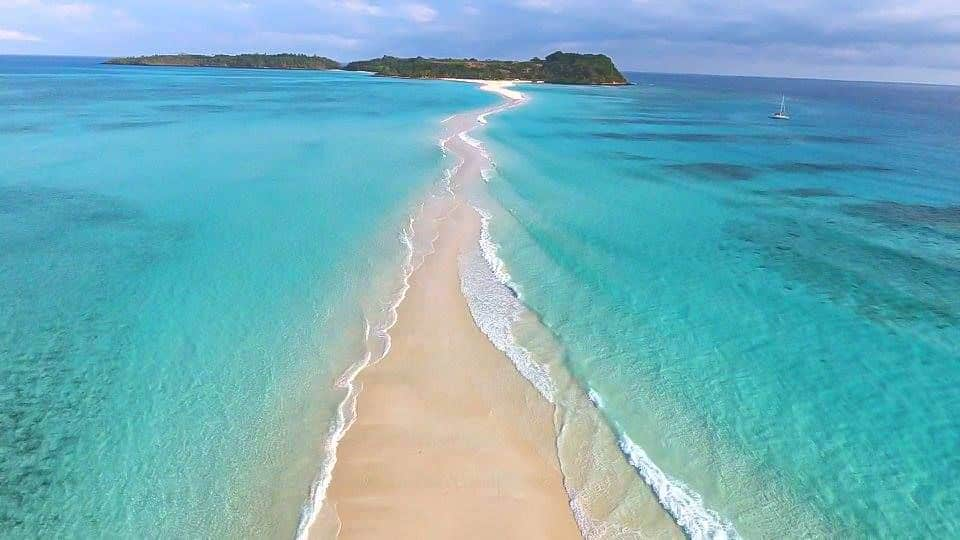
The World's 50 Best Beaches 2026 ranking, published in late April 2026 from the votes of more than 1,000 travel professionals, puts Nosy Iranja, off Nosy Be, at number 4 in the world. It is the highest-ranked beach in the whole Indian Ocean. Its neighbours are on the list too, proof that the whole region is worth the trip:
| 2026 rank | Beach | Destination |
|---|---|---|
| 4th | Nosy Iranja | Madagascar |
| 7th | Dhigurah | Maldives |
| 24th | Anse Source d'Argent | Seychelles |
| 40th | Le Morne | Mauritius |
| 47th | Paje | Zanzibar |
Nosy Iranja is two islands joined by a long sandbank that appears at low tide, with sea turtles nesting on the smaller one. To make the most of it, read our guide Honeymoon in Nosy Iranja.
Seasons compared
| Destination | Best time (in general) | Watch out for |
|---|---|---|
| Madagascar | April to November (dry season); September to November ideal for the sea around Nosy Be | Rainy and cyclone season from January to March |
| Mauritius | May to December, drier and cooler | Cyclone risk in the southern summer (mainly January to March) |
| Seychelles | All year; April-May and October-November often the calmest | Stronger trade winds from June to September on some beaches |
| Zanzibar | June to October and December to February | Long rains around April-May |
Good news: Madagascar's high season (July to October) falls during the European summer holidays, and it is also humpback whale season on several coasts. For the full picture, read When to visit Madagascar.
What makes Madagascar unique
- Lemurs live only here: in the wild, these primates are endemic to Madagascar. According to the IUCN there are more than a hundred species and subspecies. Our article Where to see lemurs in Madagascar tells you where to find them.
- Baobabs: most of the world's known baobab species grow only in Madagascar, including those of the famous Avenue of the Baobabs near Morondava.
- The Tsingy: the stone forests of Tsingy de Bemaraha are a UNESCO World Heritage Site; in the north, the Red Tsingy and Ankarana are reachable from Diego Suarez.
- Living culture: markets, fishing villages, rice fields, Malagasy music and traditions are part of the journey, not a hotel show.
- Fewer crowds: just over 330,000 visitors in 2025 for an island this size. At many sites you will be almost alone.
On safety, let's be honest: official travel advice for Madagascar (for example the French Foreign Ministry, France Diplomatie) calls for heightened vigilance. In practice, we travel with local guides, fly for long distances and never drive at night. Check your government's official advice before you go, and read our article Is Madagascar safe to visit?.
Combining Madagascar with Mauritius or Réunion
You do not have to pick just one island. There are regular flights between Antananarivo and both Mauritius and Réunion. Two combinations work very well:
- Adventure, then relaxation: about ten days in Madagascar (lemurs, landscapes, culture), then a few beach days in Mauritius.
- Nature on both sides: hiking the volcano and cirques of Réunion, then Madagascar's wildlife and islands.
Allow at least two weeks in total. To build the Madagascar part, take inspiration from our itinerary Madagascar in 10 days.
Our honest verdict
- You only want a week on the beach with zero logistics: Mauritius or the Seychelles will be simpler.
- You want beach plus town culture, with an optional safari: Zanzibar is a very good choice.
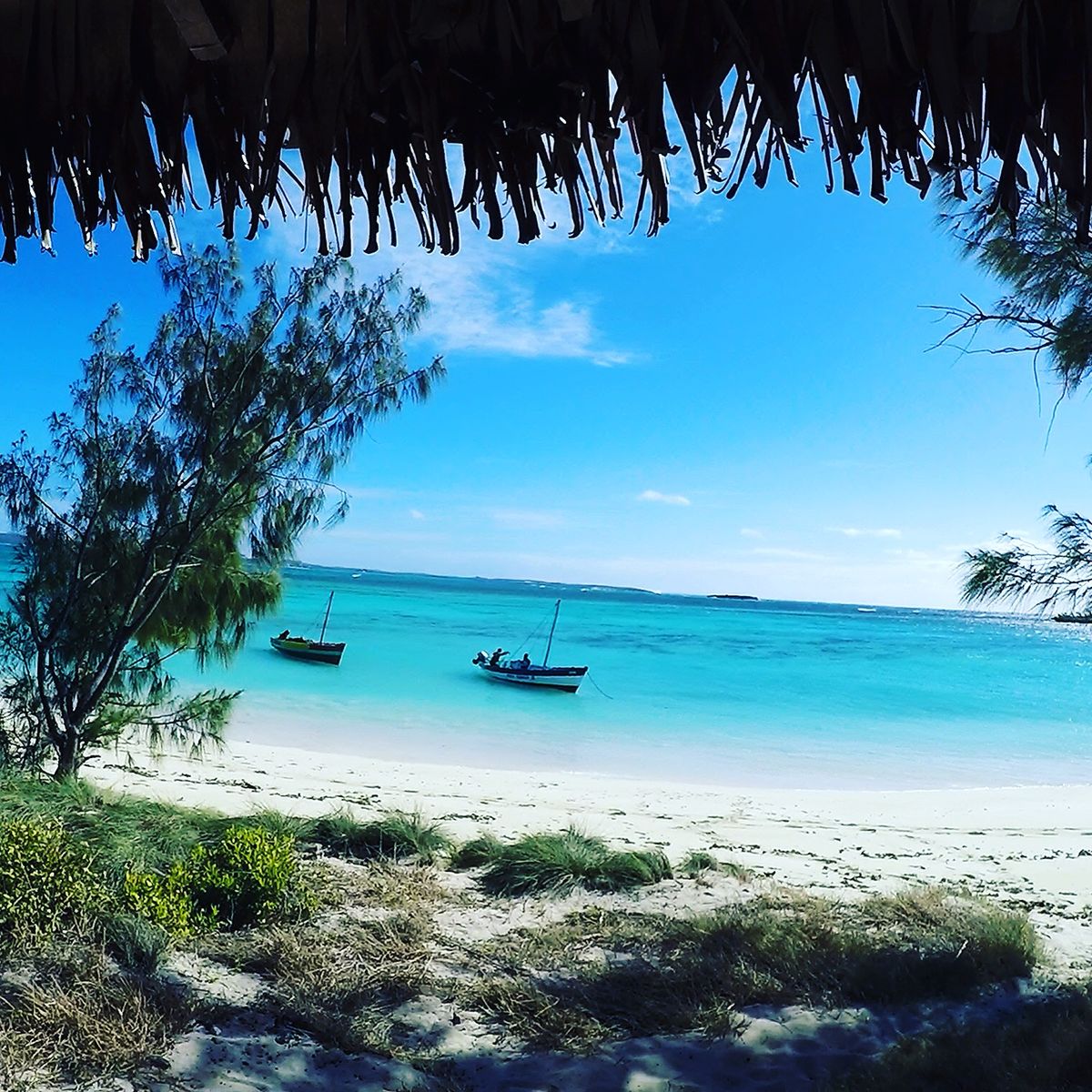
- You want some of the world's best beaches, lemurs, landscapes you will not see anywhere else and real encounters, all in one trip: that's Madagascar.
Frequently asked questions
Which Indian Ocean island should I choose for a first trip?
For a very simple beach holiday, Mauritius and the Seychelles. For beach plus Swahili culture, Zanzibar. To combine beaches, lemurs and culture in one trip, Madagascar, ideally with local guides.
Where can you see lemurs in the Indian Ocean?
In the wild, only in Madagascar. From Nosy Be: Nosy Komba or Lokobe forest. On the mainland: Andasibe, among others.
Is Nosy Iranja really one of the best beaches in the world?
Yes: number 4 in the World's 50 Best Beaches 2026, and the highest-ranked beach in the Indian Ocean.
When is the best time to visit Madagascar in 2027?
From April to November, with often very calm seas around Nosy Be from September to November. Avoid January to March, the rainy and cyclone season.
Can you combine Madagascar with Mauritius or Réunion?
Yes, there are regular flights between Antananarivo and both Mauritius and Réunion. Allow at least two weeks in total.
Sources: World's 50 Best Beaches 2026 (worlds50beaches.com; Time Out, 28 April 2026; Forbes, 30 April 2026); 2025 visitor numbers: Madagascar (NewsMada, 30 January 2026), Mauritius (Ministry of Tourism, 12 January 2026), Seychelles (National Bureau of Statistics, January 2026), Zanzibar (OCGS and Zanzibar Commission for Tourism, January 2026); lemurs: IUCN; safety: France Diplomatie.
← Back to articles